Viking Title Blog
Practical guidance from the Viking Title team on wire fraud protection, Property DNA Reports, title insurance, escrow and closing, title issues, estate planning, creative transactions, commercial title, and housing policy. Real issues, explained in plain English.
97 articles in 9 categories
How real estate wire fraud works, what to do the moment something goes wrong, and how to protect the largest transfer you will ever make.
A title or escrow company that asks where a buyer's money came from isn't being nosy: real estate is a known money-laundering vehicle and every dollar must have a paper trail. How source-of-funds rules, the USA PATRIOT Act, OFAC sanctions screening, and FinCEN's Geographic Targeting Orders work, why a nationwide all-cash rule was struck down in March 2026, and what a buyer should do at the closing table.
Read the article
The FBI's 2025 IC3 report shows online real estate fraud losses jumped to $275 million, up about 58% in a year. What the numbers mean for buyers, sellers, and renters, and how AI changed the game.
Read the article
Two new state deed-theft laws took effect October 1, 2026, bringing the total to 12 states. What these laws do and don't do for homeowners, and what still protects you after fraud occurs.
Read the article
Deed theft is real: criminals forge a deed transferring an occupied home to themselves, record it, and then rent, borrow against, or sell the property. Here is how it works and how to protect your home.
Read the article
The criminal may not need to hack your bank. They may convince you to send them the money yourself. Here’s how the scam works, step by step.
Read the article
In many wire-fraud schemes, the criminal’s most valuable target isn’t a bank — it’s an email account. Here’s why.
Read the article
Buying a home may involve sending the largest wire transfer you’ve ever made. Unfortunately, criminals know that too.
Read the article
Act immediately. Minutes matter. Here’s exactly what to do if you’ve sent money to a fraudulent account.
Read the article
A failed wire recall doesn’t necessarily mean your money is gone forever. Here’s what happened when our management team helped a victim recover every penny.
Read the article
Seller impersonation fraud is on the rise. Here is why your title or escrow company asks you to verify your identity, and why that extra step protects your closing.
Read the articleWhat Property DNA Reports show, and how owners, buyers, agents, and renters use them to look beneath the surface before they commit.
Most people know surprisingly little about a property before they buy it. A Property DNA Report gives you an early look beneath the surface.
Read the article
One of the most useful things a homeowner can do before selling is find out what the records actually say about their property.
Read the article
Information changes strategy. Here is what a Property DNA Report can tell you before you write the offer.

Read the article
Before you promise everyone a smooth closing, find out whether there is anything that deserves a closer look.
Read the article
One of the simplest questions in a rental transaction is also one of the most important: does this person actually have the right to rent this property?
Read the articleWhat title companies do, how title insurance works, and what actually happens at escrow and closing. Plain-English answers to the questions buyers and sellers ask most.
A rate lock is the lender's promise to hold your rate until closing, and in this market closing dates slip past locks every week. What happens when a lock expires, what extension fees actually cost, the TRID rule about the three-day Closing Disclosure clock that surprises most buyers, and how to keep a volatile-rate closing on schedule.
Read the article
You are married and bought the house in your name only, so why is the closing team asking your spouse to sign the deed? In Nevada, property acquired during marriage is community property under NRS 123.220, and NRS 123.230 requires both spouses to join in conveying or encumbering it. How the signature requirement works, when separate property is exempt, and what to do if a spouse cannot sign.
Read the article
Nevada's race-notice law says the first bona fide buyer to record a valid deed wins, even when an earlier buyer signed and paid first. How recording order decides ownership, what constructive notice really means, and what can go wrong in the gap between signing and recording.
Read the article
A notarized power of attorney can look perfectly valid and still be refused at a real estate closing. Why title companies reject POAs, what underwriters require before they will insure a signing, what Nevada law adds, and what to do when the owner cannot sign in person.
Read the article
A manufactured home can be real property with a deed or personal property with a certificate of title like a car. Which world it lives in decides whether a closing can happen at all, and lenders like Fannie Mae and Freddie Mac only finance homes on the real property side.
Read the article
A financed or leased solar system can put a recorded UCC-1 fixture filing or a PACE assessment on a house. How title companies clear solar liens, what Fannie Mae and Freddie Mac require, and why the transfer packet can control your closing date.
Read the article
Seller financing works very differently at the closing table than a bank loan. Why the seller records a deed of trust, what due-on-sale and the Garn-St. Germain Act mean, the second-position lien risk, and what title insurance actually protects when the seller is the lender.
Read the article
Remote online notarization is legal in Nevada and most states, and it carries the same legal weight as an in-person signing. How RON works, how your identity really gets verified, what the deepfake era changed, and the questions to ask before you agree to a remote signing.

Read the article
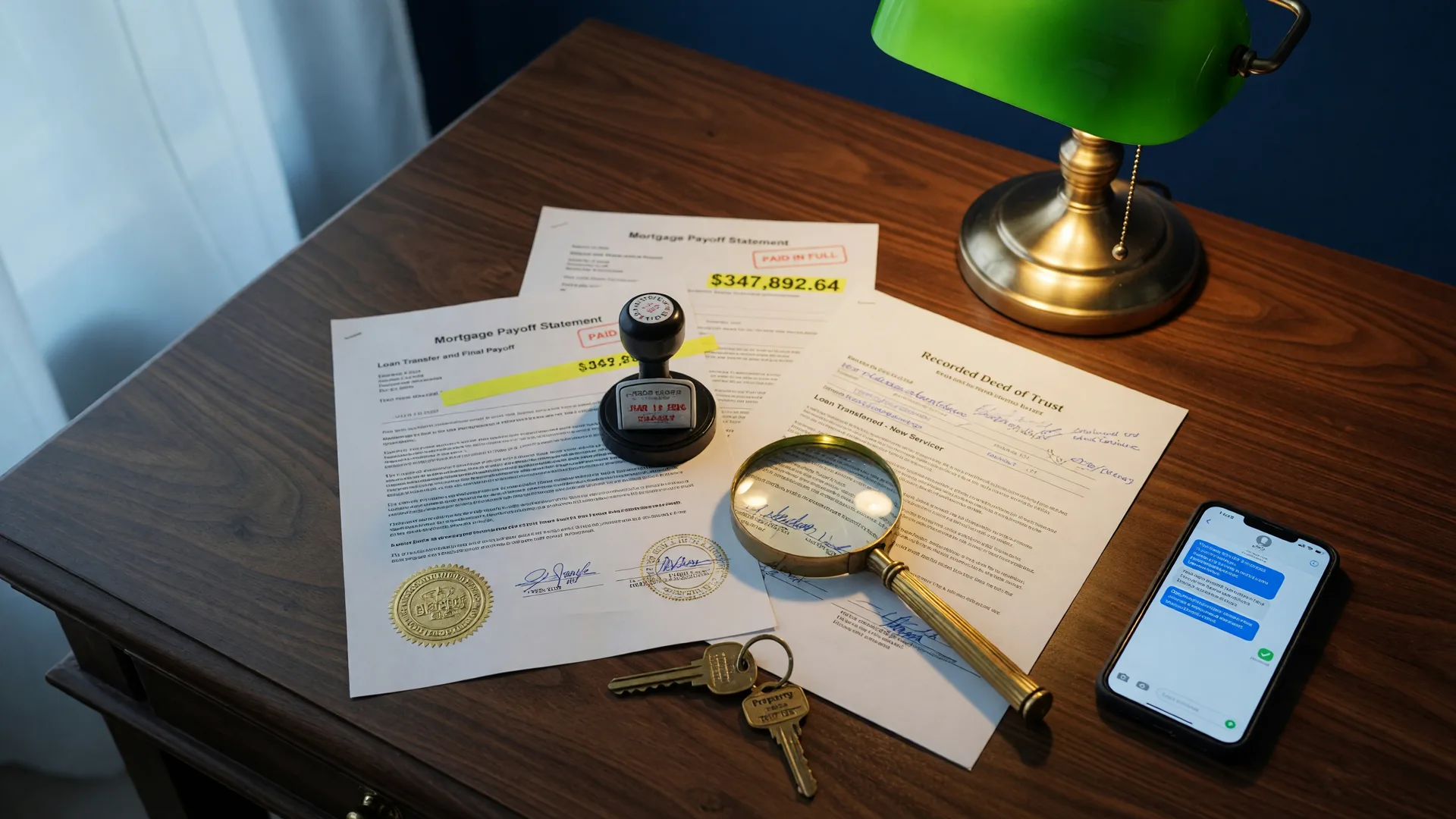
Your mortgage was probably sold, maybe more than once, and almost none of it was recorded. How title companies find out who actually owns the loan, why your payoff goes to a different company, and how the lien finally gets released in Nevada.
Read the article
Recording makes a deed official, and 2025-2026 has seen county recorder cyberattacks and backlogs stall that step for weeks. What recording actually does, what the gap is, and why Nevada sellers are not paid until the deed records.
Read the article
Standard owner's title policies can exclude a forged deed or mortgage recorded after closing. What the new ALTA 49 and 49.1 endorsements cover, why the gap exists, and how to ask for them.
Read the article
A mortgage payoff quote has a good-through date because interest accrues daily. When a closing date slips past it, the quote expires and the closing can stall. Here is why it happens and how title companies handle it.
Read the article
A wild deed is a recorded deed that cannot be connected to the property\u2019s chain of title. Here is how it happens, why title examiners treat it as a red flag, and what it can mean for a buyer, seller, or lender.
Read the article
There may be homeowners in your market right now who are in foreclosure, have stopped living in their property and have essentially walked away. These zombie properties can represent an opportunity to help save someone’s remaining equity.
Read the article
For many independent title company owners, retirement creates a difficult question: What happens to the company? Here is another option besides selling.

Read the article
A paid-off loan can stay on your property records for decades if the release was never recorded. Here is why it happens, how Nevada law handles it, and what it means at closing.
Read the article
A misspelled name on a recorded deed can stall a sale or refinance until it is corrected. Here is how title companies find and fix deed name errors.
Read the article
"Cloud on title" sounds dramatic. Sometimes it is. Here's what creates one and how to clear it.
Read the article
Your title company may temporarily be responsible for hundreds of thousands of dollars of your money. Here's how to know it's being handled properly.
Read the article
When you choose a title company, you probably don't ask "Who do you bank with?" Maybe you should.
Read the article
Most people don’t spend much time thinking about title companies until they buy, sell, or refinance real estate. Here’s what we actually do.
Read the article
You buy one house. There is one closing. So why are there sometimes two title insurance policies?
Read the article
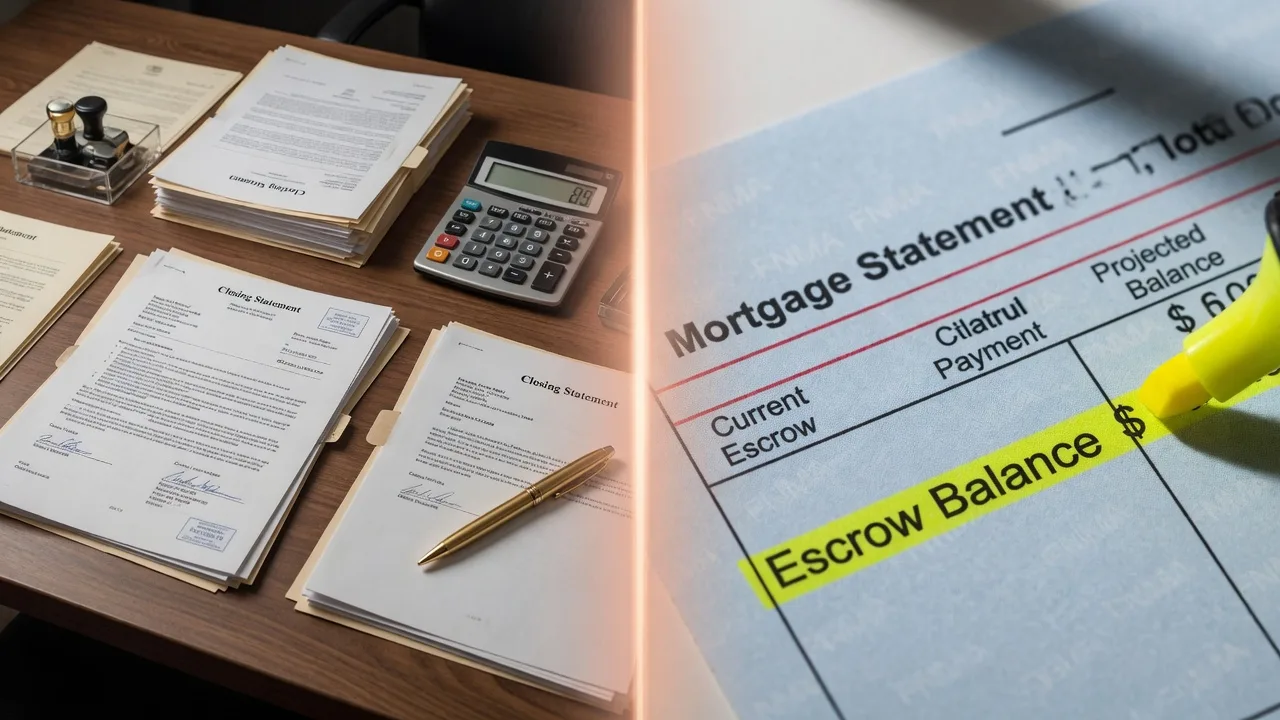
Your title company says your money is in escrow. Six months later your mortgage statement says escrow balance. Same word, completely different things.
Read the article
You may send a title or escrow company a very large amount of money. Then you wait. Here’s what’s happening behind the scenes.
Read the article
You make an offer, the seller accepts, and now somebody needs your earnest money. Here’s where it goes and what happens to it.
Read the article
A title insurance policy protects against title risks. But what happens if the settlement agent mishandles the closing? That’s where a CPL comes in.
Read the article
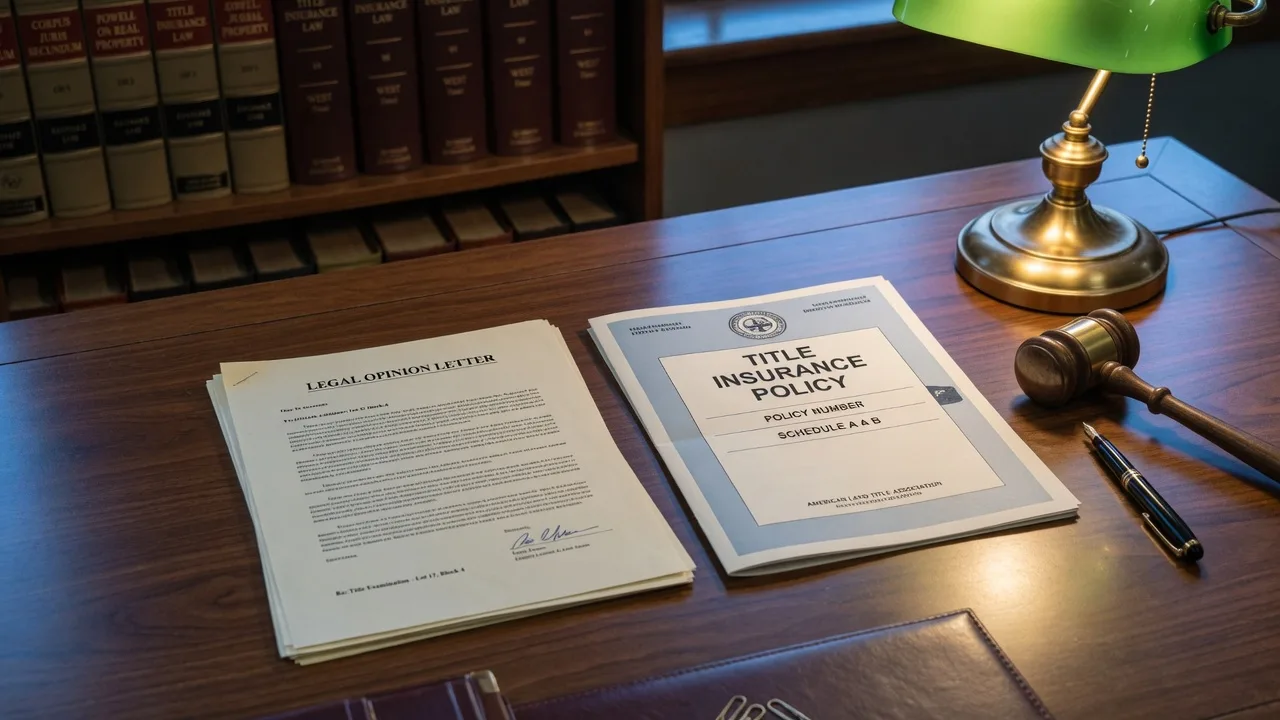
There’s growing discussion around using attorney title opinion letters as an alternative to title insurance. Here’s what consumers need to understand.


Read the article
Hopefully nothing goes wrong. But what happens if you’re the one who has a title problem and no insurance?
Read the article
You’ve signed approximately 47,000 pieces of paper. Your hand hurts. So where are the keys? Here’s what happens between signing and getting the keys.
Read the article
"It’s 2026. Why can’t you just Google it?" We wish every county worked that way. Here’s why title searches take the time they take.
Read the article
Imagine buying a home and discovering you may be able to take over the seller’s existing mortgage — at their much lower interest rate.
Read the article
After weeks of applications, documents and waiting, hearing “clear to close” means you’re almost there. Here’s what happens next.
Read the article
You refinance your first mortgage and suddenly somebody says "We need a subordination agreement." Here is what that means.

Read the article
Get cash from your home equity with no monthly payment. Sounds great but here is what you need to understand before signing.
Read the article
Few mortgage products are more misunderstood than reverse mortgages. Here is what they actually are and how they work.
Read the article
You've probably seen the scary commercials. But before you pay a private company $240 a year to monitor your title, here's what you should know.
Read the articleInvoluntary liens, HOA liens, and foreclosures: what they mean, how they attach, and whether they can actually stop a sale.
A court judgment from years ago can quietly attach to your house in Nevada and stop a sale or refinance cold. How judgment liens work under NRS 17.150, the six-year clock and how renewal works, what Evans v. Samuels and Leven v. Frey decided, how child support liens differ under NRS 125B.142, and what happens at the closing table.
Read the article
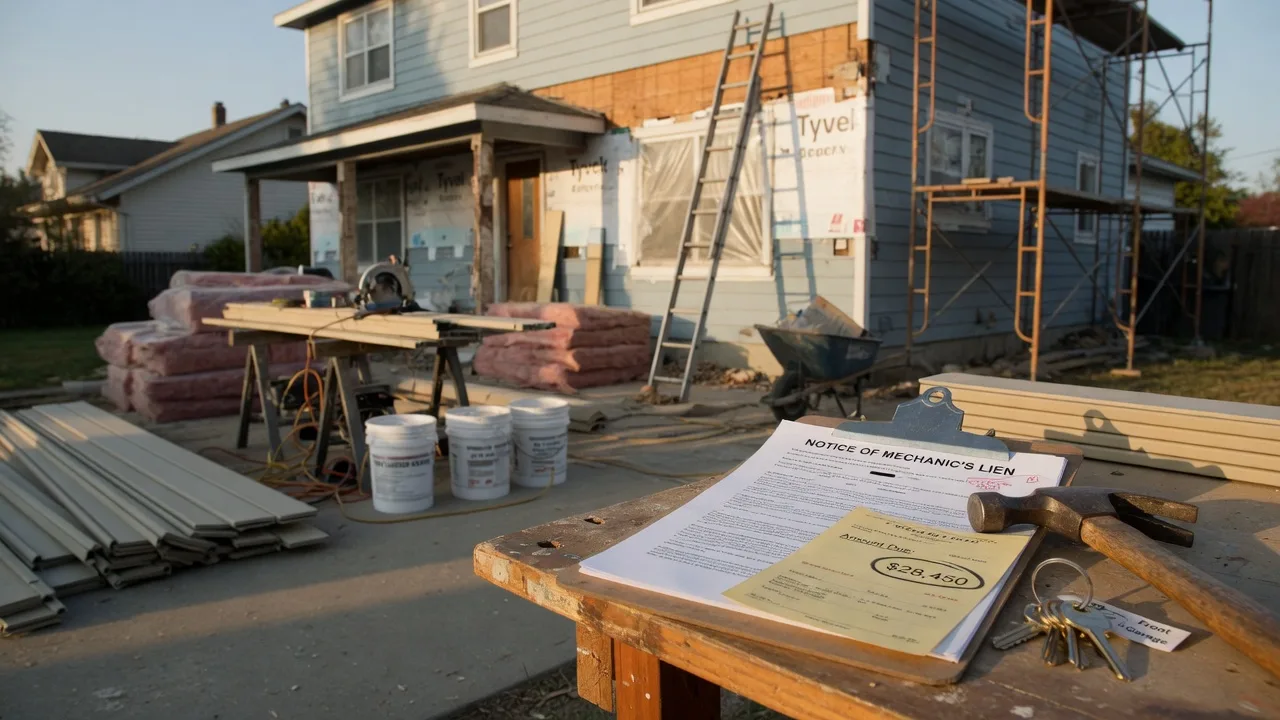
An unpaid subcontractor can file a mechanic's lien against your house even after you paid the general contractor in full. How the double-payment trap works, what it does to a closing, and the Nevada deadlines that decide whether the lien survives.
Read the article
A mortgage is a lien you agreed to. An involuntary lien is different. Here is what you need to know.
Read the article
In Nevada, an HOA can have a statutory lien against property for unpaid assessments — and that lien can ultimately be foreclosed.
Read the article
"Pre-foreclosure" sounds like the house is about to be sold tomorrow. That is not necessarily what it means.
Read the article
Yes, you can sell a house with a lien on it. Here’s how title companies handle liens during closings — and when it gets complicated.
Read the article
Most title problems can be solved without a courtroom. But some require a judge. Here’s when quiet title becomes necessary.
Read the article
Embarrassment is not a foreclosure strategy. Here is what to do if you are behind on your mortgage and feeling overwhelmed.
Read the articleDeath, trusts, Medicaid, and deeds: who owns the house after a life change, and how ownership can be transferred safely.
The mortgage does not die with the borrower. Under federal law, heirs can often keep an inherited loan at its original rate. Here is how the protection works and what the title paperwork requires.

Read the article
Real estate ownership after death depends on how the property was titled, whether a trust exists, and state probate law. It is not always as simple as you’d think.
Read the article
Federal law requires states to seek repayment from the estates of deceased Medicaid recipients. Here is what that means for your home.
Read the article
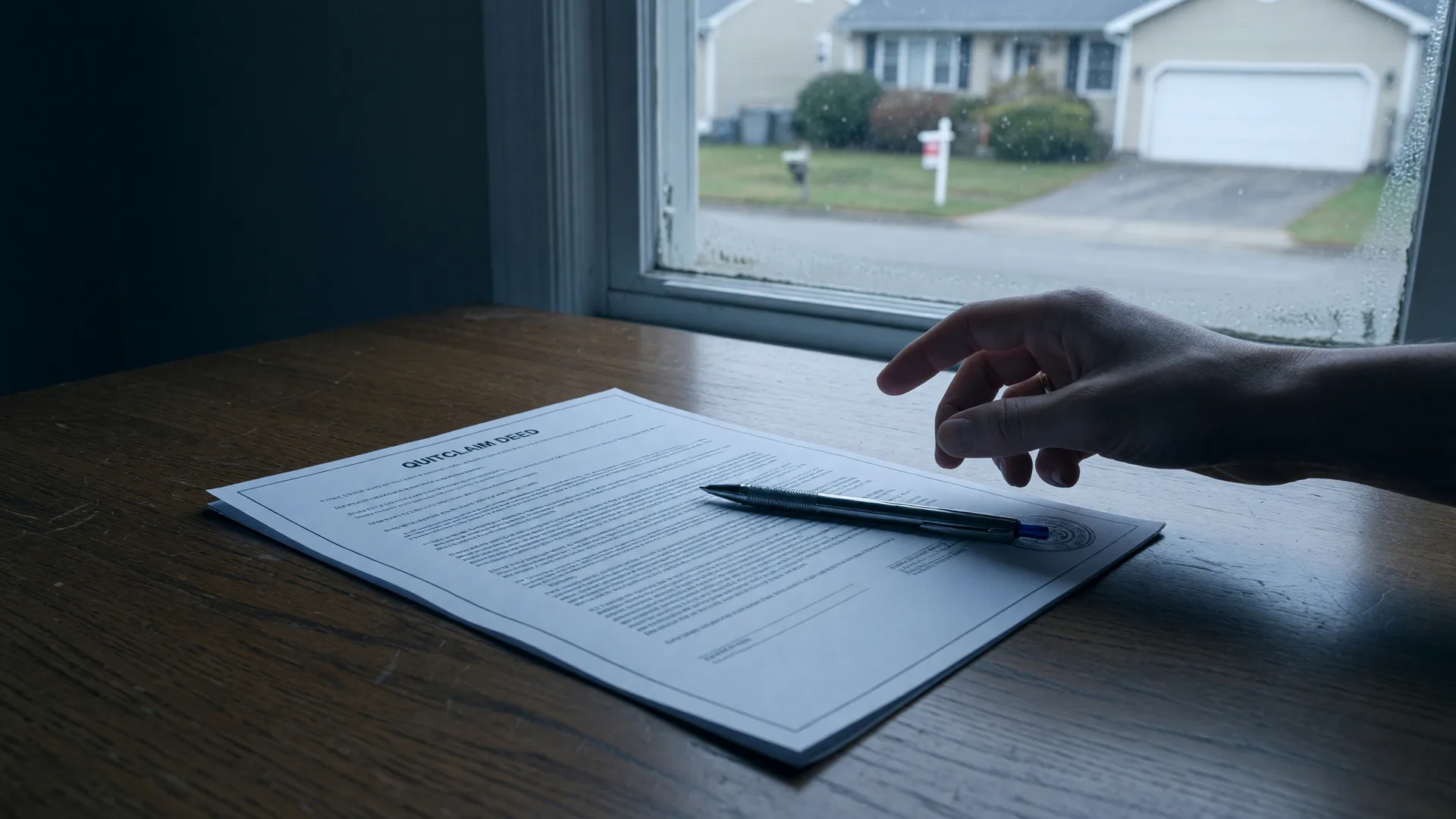
They’re easy, inexpensive, and you can find forms online. But before you "just quitclaim the house," here’s what you need to know.
Read the articlePortable mortgages, assumable loans, subject-to transactions, wholesaling, and LLC ownership: what these creative real estate structures actually involve and when they make sense.
FinCEN ended beneficial ownership reporting for U.S. companies on August 14, 2026. Here's what changed, whether your LLC still files, and why the title company still asks about your entity at closing.
Read the article
Imagine taking your 2.75% mortgage with you when you move. Portable mortgages sound great in theory, but here is why they are more complicated than you think.
Read the article
Two nearly identical houses, same price, same neighborhood. But one comes with a 3% mortgage you might be able to assume. Here is why that matters.
Read the article
Subject-to transactions can solve real problems and carry real risks. Here is what is actually happening when someone buys a property "subject to" the existing mortgage.
Read the article
Some people love wholesalers. Some hate them. Before deciding, here is what is actually happening in a wholesale assignment or novation.
Read the articleNational housing market updates plus housing law, institutional investor activity, and the market forces shaping who gets to own a home.
The Nov. 26, 2026 national housing update: builders' price cuts pushed October new-home sales up 14.2% to 701,000, a 10-month high, the same week pending sales hit a record-low 63.0 and Freddie Mac's holiday-delayed survey dipped to 7.21% while the MBA's contract rate rose to a five-week high of 7.38%. The Fed turned more hawkish with a December hike priced near certain. What the split means for buyers and sellers.
Read the article
The Nov. 25, 2026 national housing update: the October PCE report released this morning came in hot, headline inflation at 3.8% and core at 3.2% and both rising, all but sealing a quarter-point Federal Reserve hike at the December 8 and 9 meeting, even as the 10-year Treasury fell a seventh straight day to about 4.90%. Case-Shiller showed national prices up 2.1% year over year, unchanged from August, with a widening gap as Midwest metros rose roughly 5 to 7% while the West fell: Seattle -1.9%, Denver -1.0%, Dallas -0.9%. What the data means for rates, prices, and buyers and sellers.

Read the article
The Nov. 23, 2026 national housing update: Freddie Mac showed the 30-year fixed jumping to 7.28%, the biggest one-week move since early October and the end of four straight declines, yet by Friday's close the 10-year Treasury had retreated and the week-ahead forecast sees rates easing. With markets closed Thursday for Thanksgiving, Wednesday's PCE report and the December Fed decision are the catalysts that will decide whether the buyer's waiting game pays off.

Read the article
The Nov. 20, 2026 national market update: consumer sentiment rebounded to a three-month high of 51.0 while home-buying conditions stayed historically depressed at 24, a record share of consumers now expect mortgage rates to fall, and Fannie Mae and the MBA both see rates above 7% well into 2027. What the waiting game means for buyers and sellers.
Read the article
The Nov. 19, 2026 national market update: Freddie Mac showed the 30-year fixed back to 7.28%, its first weekly increase in five weeks, the same week NAR's pending home sales index fell to a record-low 63, builder confidence hit a 14-year low, and October housing starts surprised higher even as permits kept falling. What the new data means for buyers and sellers.
Read the article
The Nov. 16, 2026 national market update: the Freddie Mac survey fell to 7.11%, a seven-week low, the same day NAR reported existing-home sales at 3.75 million, the lowest since August 2010, and the daily market repriced to about 7.50% after hot October CPI and PPI reports. Why the weekly survey and the daily market disagree, and what it means for buyers and sellers.
Read the article
The Nov. 12, 2026 national market update: buyers responded to lower rates for exactly one week, then a hot October CPI report pushed the 30-year fixed back to about 7.30%, the 10-year Treasury back above 5%, and markets fully priced a December Fed rate hike. What the repricing means for buyers and sellers.
Read the article
The Nov. 11, 2026 national market update: mortgage applications jumped 6.2% with purchases up 7.5%, the biggest weekly gain since April, after rates fell a fourth straight week, then a hot October CPI report pushed the 10-year Treasury back above 5% and markets priced a December Fed hike. What the whiplash week means for buyers and sellers.
Read the article
The Nov. 9, 2026 market update: the 30-year fixed fell a third straight week to 7.18%, yet purchase applications dropped 2% and pending sales hit the lowest level on record. What the disconnect means for buyers and sellers.
Read the article
The Nov. 5, 2026 national market update: Democrats swept both chambers of Congress, Treasury yields fell to about 4.90% to 4.94%, and daily mortgage rates eased toward the low 7% range, but the underlying market is unchanged. What the election does and doesn't change for buying and selling.
Read the article
The Nov. 4, 2026 national market update: mortgage applications fell 1.2% even as the contract rate eased to 7.30%, new listings fell 7.5% in October, list prices fell for a 12th straight month, and job openings jumped to 7.52 million.
Read the article
The Nov. 2, 2026 national market update: median sale prices fell year over year for the first time in three years on Redfin's measure, rates eased a second straight week to 7.24%, GDP grew 3.4% and inflation re-accelerated, and the West is already showing outright declines.
Read the article
The Oct. 29, 2026 national market update: mortgage applications rose 3.4%, the first increase in seven weeks after the Fed held rates, yet purchase demand still runs about 18% below last year. What it means for buyers and sellers.
Read the article
The Oct. 28, 2026 national market update: the Fed held rates at 3.75% to 4.00%, new-home sales slipped to 676,000 with 8.4 months of supply, and Case-Shiller and FHFA both showed price growth near 2%. What it means for buyers and sellers.
Read the article
The Oct. 26, 2026 national market update: mortgage rates fell a second straight week to 7.32%, yet pending sales hit another record low, price growth is nearly flat, and the Fed decides in two days. What it means for buyers and sellers.
Read the article
The Oct. 22, 2026 national market update: mortgage rates fell for the first time in two months, yet purchase applications dropped 7.3% and pending sales hit a record low. What it means for buyers and sellers ahead of the Fed decision.
Read the article
The Oct. 21, 2026 national market update: NAR pending home sales at their lowest level on record, NAHB builder confidence at a 14-year low, housing starts down 5.2% in September, and rates still holding near 7.40%.
Read the article
The Oct. 19, 2026 national market update: asking prices fell year over year for the first time since March, a record share of sellers are cutting list prices, rates hold near 7.40%, and what it means for buyers and sellers.
Read the article
The Oct. 15, 2026 national market update: daily rates near 7.45%, inventory at its highest in years, and the mortgage lock-in effect keeping roughly half of homeowners at 4% or below. What it means for buyers and sellers.
Read the article
The Oct. 14, 2026 national market update: September CPI reaccelerates to 3.7%, the 30-year contract rate hits 7.50%, existing-home sales tick up in September, and what it means for buyers and sellers.
Read the article
The Oct. 12, 2026 national market update: the 30-year fixed rate at 7.40%, its highest level in nearly three years, the September CPI due October 14, and a Las Vegas market that looks more balanced than the national averages.
Read the article
The Oct. 8, 2026 market update: pending home sales at their lowest level in nearly three years, rates hovering near 7.5%, record September price cuts, and a flat Las Vegas market.
Read the article
The Oct. 7, 2026 national market update: mortgage rates near a three-year high, a cooling September jobs report, record price cuts, and what to watch next.
Read the article
The 30-year fixed rate averaged 7.28% in the first week of October 2026. With inventory at decade highs and price growth slowing, here is what the numbers mean for buyers and sellers.
Read the article
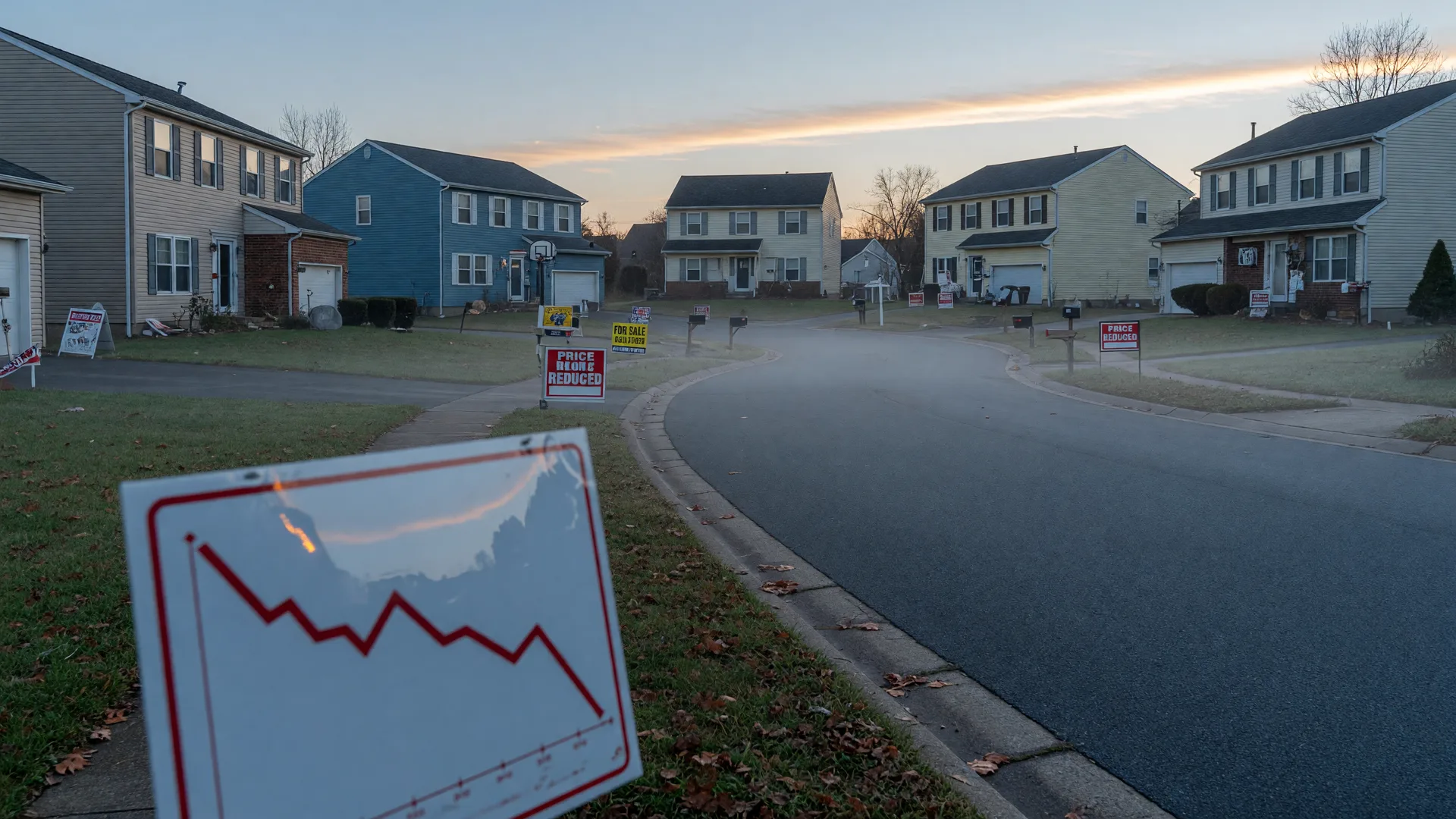
Restricting future institutional purchases may not help ordinary homebuyers if the largest existing owners keep the portfolios they’ve already accumulated.
Read the articleUsing property data to find future sellers, assumable mortgages, distressed properties, and new opportunities in your market. Practical strategies for agents who want to work smarter.
Commercial real estate title and escrow, portfolio transactions, ground leases, 1031 exchanges, and specialty properties including cannabis real estate.
How a 1031 like-kind exchange defers capital gains tax when you sell one investment property and buy another: the 45-day identification rule, the 180-day deadline, the qualified intermediary who holds your money between closings, the title and escrow team's role on both legs, and the June 2025 IRS ruling on using exchange proceeds to build improvements.
Read the article
Commercial real estate is different. The transactions are bigger, the structures more complicated. Here is how Viking handles commercial title nationwide.
Read the article
Cannabis real estate creates one of the strangest situations in American commercial real estate. Here is what you need to know about title insurance for cannabis properties.
Read the articleProtect Your Closing
Real estate wire fraud is one of the most common scams in the industry. Never send funds based solely on emailed instructions. Independently verify wiring instructions by phone before you wire a penny.