"It's 2026. Why can't you just Google it?"
We hear that question, usually with a smile, from almost every first-time buyer. It's fair.
The honest answer: we wish every county worked that way. But the title search is one of the few parts of a transaction that still depends on records that don't always exist online, and that's exactly why it matters.
What a Title Search Actually Is
A title search traces the ownership history of a property and identifies everything that may affect the title: deeds, mortgages, liens, judgments, easements, restrictions, and more.
The goal isn't to find problems. The goal is to know what exists, so nothing surprises anyone at closing.
The Records Are County by County
Here's the part that surprises people: there is no national database of property records.
Every county maintains its own records. Every county has its own systems, its own indexing, and its own quirks. What takes minutes in one county can take days in another.
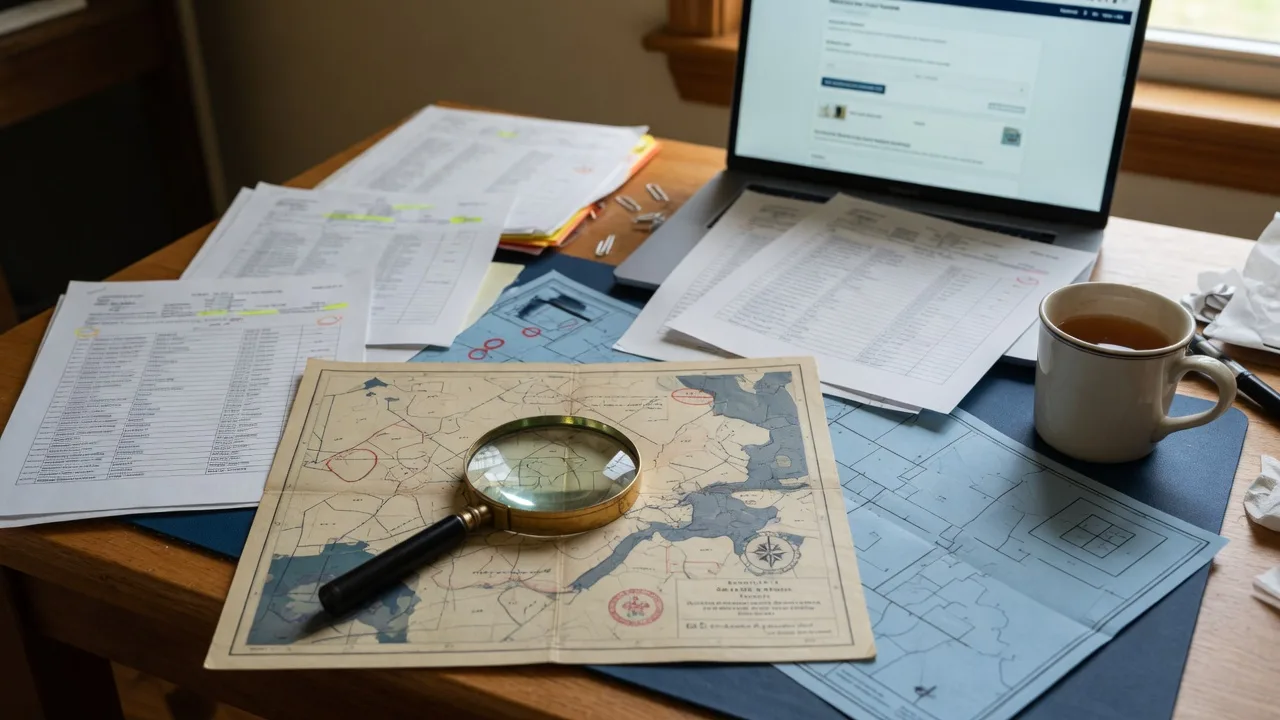
Some counties have fully digitized records that can be searched quickly. Others still rely on older systems, and some records only exist in physical form, in books that have to be retrieved, reviewed by hand, and re-shelved.
What the Examiner Is Looking For
A thorough search doesn't just pull up one page and call it done. The examiner works through multiple layers:
- The chain of title: every recorded deed and transfer, going back through the ownership history.
- Active and released mortgages and deeds of trust.
- Judgments, tax liens, and other involuntary liens.
- Easements, rights of way, and restrictions that run with the land.
- Bankruptcy filings and court actions involving prior owners.
- Probate and estate records when ownership passed through death.
- Marriage, divorce, and name changes that affect signatures.
- Tax records, including unpaid property taxes and assessments.
- The legal description, making sure it matches the property being sold.
Each one of those is a separate check, and each one can raise a question that requires another check.
Names and Legal Descriptions Create False Matches
Title examiners deal with a problem you don't think about until you're in the records: people share names.
A judgment against "Michael Johnson" may or may not attach to the Michael Johnson who owned your house in 1998. The examiner has to determine whether the record matches the person, not just the name.
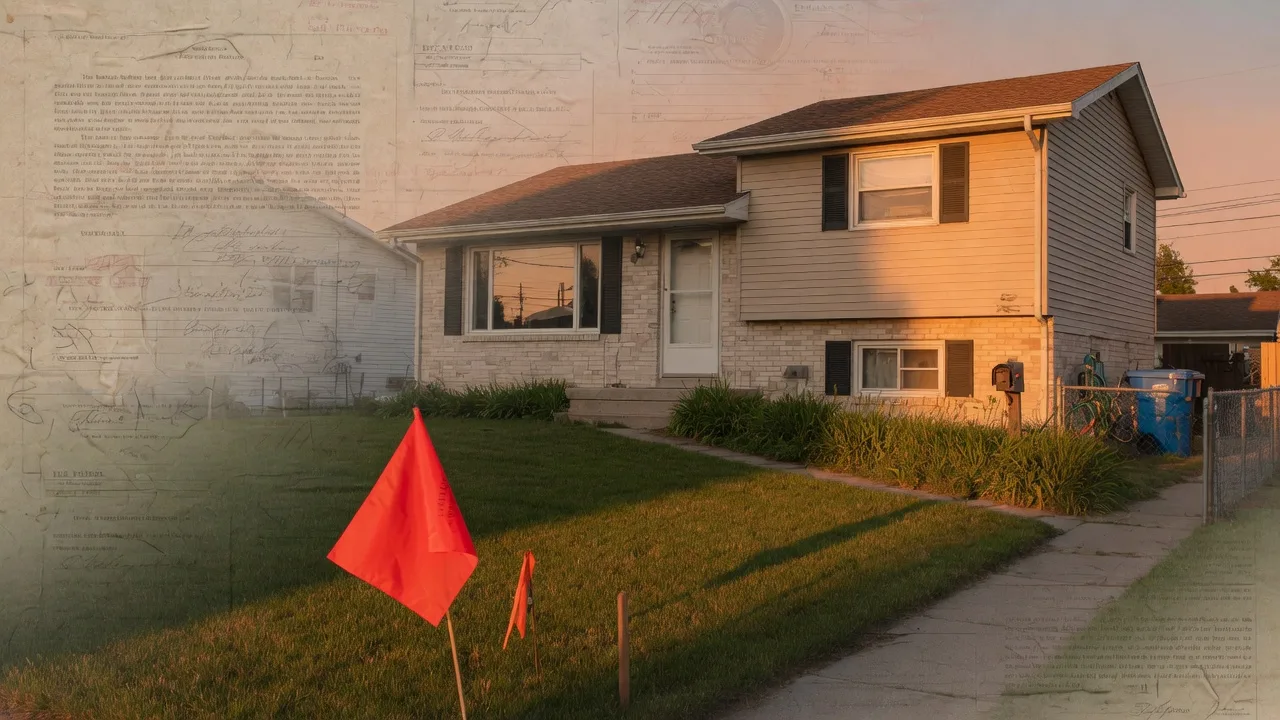
The same is true for property descriptions. A parcel with a similar legal description, a similar address, or a similar owner can create a false match that has to be investigated and cleared.
Records Aren't Always Complete
This is where the time really goes.
A mortgage gets paid off, but the release never gets recorded. A deed is signed, but the signatures are missing a page. A lien is paid, but the county hasn't processed the satisfaction.
The examiner doesn't just find those gaps. They have to chase them down: ordering the missing release, contacting the prior lender, confirming a payoff, or asking for documentation.
Each of those follow-ups is a phone call, an email, a letter, and a wait for a response.
The Title Company's Own Plant
Title companies maintain their own private indexes, called title plants, that mirror and organize the public records. A good plant makes searches faster and more accurate.
But even the best plant is only as good as the underlying county records. When a county lags in posting new filings, or when a document was recorded in a way that's hard to index, the search has to go to the source.
Why Thorough Beats Fast
We could rush a title search. We could check one database, find nothing obvious, and call it clear.
And then, six months after you buy the house, an old judgment or a missing release could show up with your name on the mailbox.
The title search is the last line of defense before closing. The extra days it takes are the price of catching things while there's still time to fix them.
Finding a problem early usually means a simple solution. Finding it late usually means a delay, a dispute, or worse.
How You Can Help Speed It Up
There are a few things buyers and sellers can do that genuinely help:
- Provide any existing title work, surveys, or prior closing documents early.
- Respond to questions about prior marriages, divorces, deaths, or ownership transfers quickly and completely.
- Make sure property taxes are current and known.
- Don't wait until the last minute to ask for a rush. Rushing a title search is how mistakes happen.
What "Clear to Close" Means on the Title Side
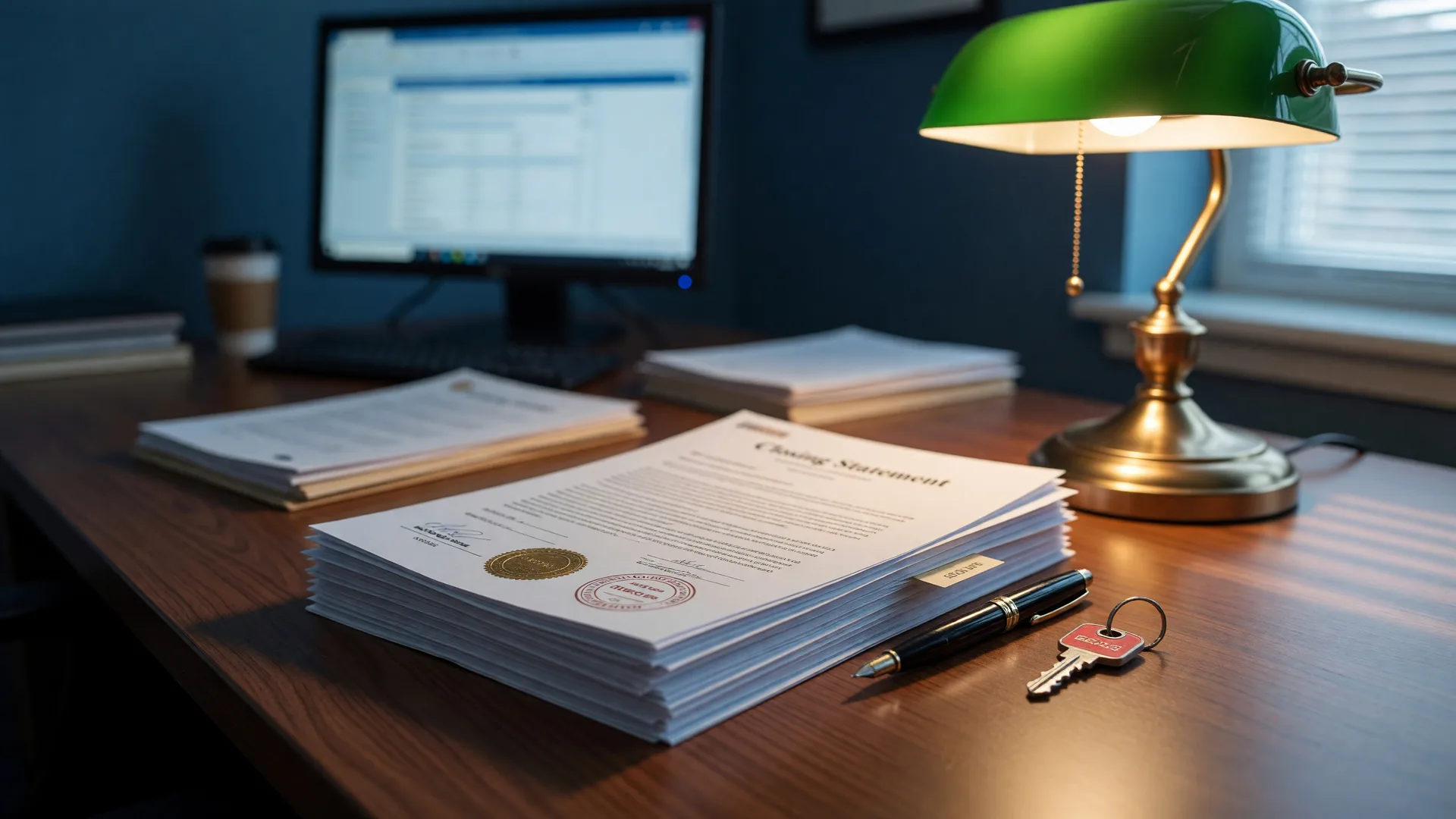
When the title work is finished, the title company issues a commitment, which is essentially its promise of what it's prepared to insure, and what conditions remain.
When those conditions are satisfied, the title side is clear, and the closing can proceed alongside the lender's funding conditions.
That's the milestone everyone is waiting for, and it's worth the wait.
The Bottom Line
A title search takes time because it has to. The records are scattered, imperfect, and full of names that look alike.
But that careful work is exactly what protects your ownership after you close.
So the next time you're tempted to ask why it's taking so long, remember: every day the examiner spends in the records is a day spent making sure that when you buy your home, it's really yours.
This article provides general educational information and is not legal advice. Title search practices, county record systems, and turnaround times vary by market and transaction. Ask your title professional for a timeline specific to your property.