Most people don't spend much time thinking about title companies.
Then they buy a house, sell one, or refinance, and suddenly a title company is in the middle of everything.
What exactly do we do? In plain English, here it is.
The Job in One Sentence
A title company's core job is to make sure that when you buy a property, you actually receive what you think you're buying: a clear, marketable title to that property.
Everything else we do supports that goal.
That includes researching the property's history, identifying problems, resolving them when possible, holding and distributing funds, coordinating the closing, and issuing the insurance that protects the parties after closing.
Step One: The Title Search
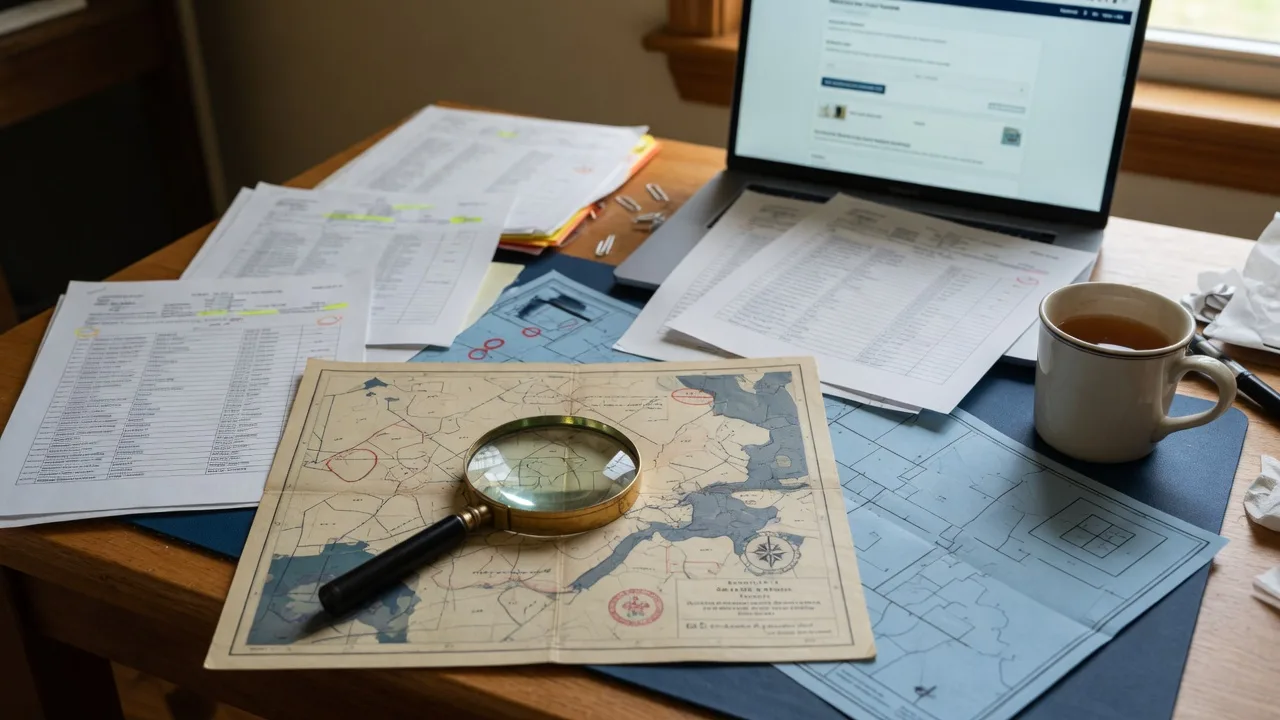
Before anyone signs anything, someone has to examine the public records and figure out the chain of ownership for the property.
This is the title search. It traces how the property was conveyed over time, who owns it now, and what claims, liens, restrictions, or encumbrances are attached to it.
The search looks at recorded deeds, mortgages, tax records, judgments, court records, probate records, easements, and much more. It's detailed work, and it's exactly why a title search takes longer than typing an address into a search engine. We explain that in more depth in our article on why title searches take the time they take.
Step Two: The Title Examination
Once the search is complete, an examiner reviews what was found.
The examiner determines whether the seller can deliver a marketable title, and what conditions must be met before closing can happen.
Those conditions are spelled out in the title commitment, which is essentially a promise of what the title company is prepared to insure, and what must happen first. Common conditions include paying off existing mortgages, obtaining releases for old liens, correcting deed errors, or clearing judgments.
Step Three: Clearing Problems
Sometimes the records reveal an issue.
A mortgage that was paid off years ago but never released. A judgment against someone with the seller's name. An old easement that wasn't disclosed. A property line that doesn't match the survey.
Part of the title company's job is working to clear these issues before closing, not after.
That's why finding problems early matters so much. Some issues are resolved with a single payoff and a recorded release. Others require documentation, coordination with taxing authorities, or legal action. The sooner everyone knows, the smoother the closing goes.
Step Four: Escrow and Closing
The title or escrow company also acts as the neutral party in the middle of the transaction.
The buyer's funds, the seller's deed, and the lender's documents all come together under one roof. Nobody's money goes directly to anyone until all the conditions of the contract and the lender's requirements are satisfied.
That's escrow. It's a lot of money to hold, so the company follows strict procedures for handling funds, verifying wiring instructions, and documenting every deposit and disbursement.
Step Five: Title Insurance
At closing, the title company issues title insurance policies.
The lender's policy protects the lender's interest in the property. The owner's policy protects the buyer, often for the purchase price, and it lasts as long as the buyer or their heirs own the property.
Title insurance is different from other kinds of insurance. It protects against problems that existed before you bought, not accidents that happen after. Covered issues can include hidden liens, forged documents, undisclosed heirs, boundary disputes, and recording errors.
If a covered problem appears later, the policy can pay for defense costs, and in some cases, for the loss itself.
Step Six: Recording the Deed
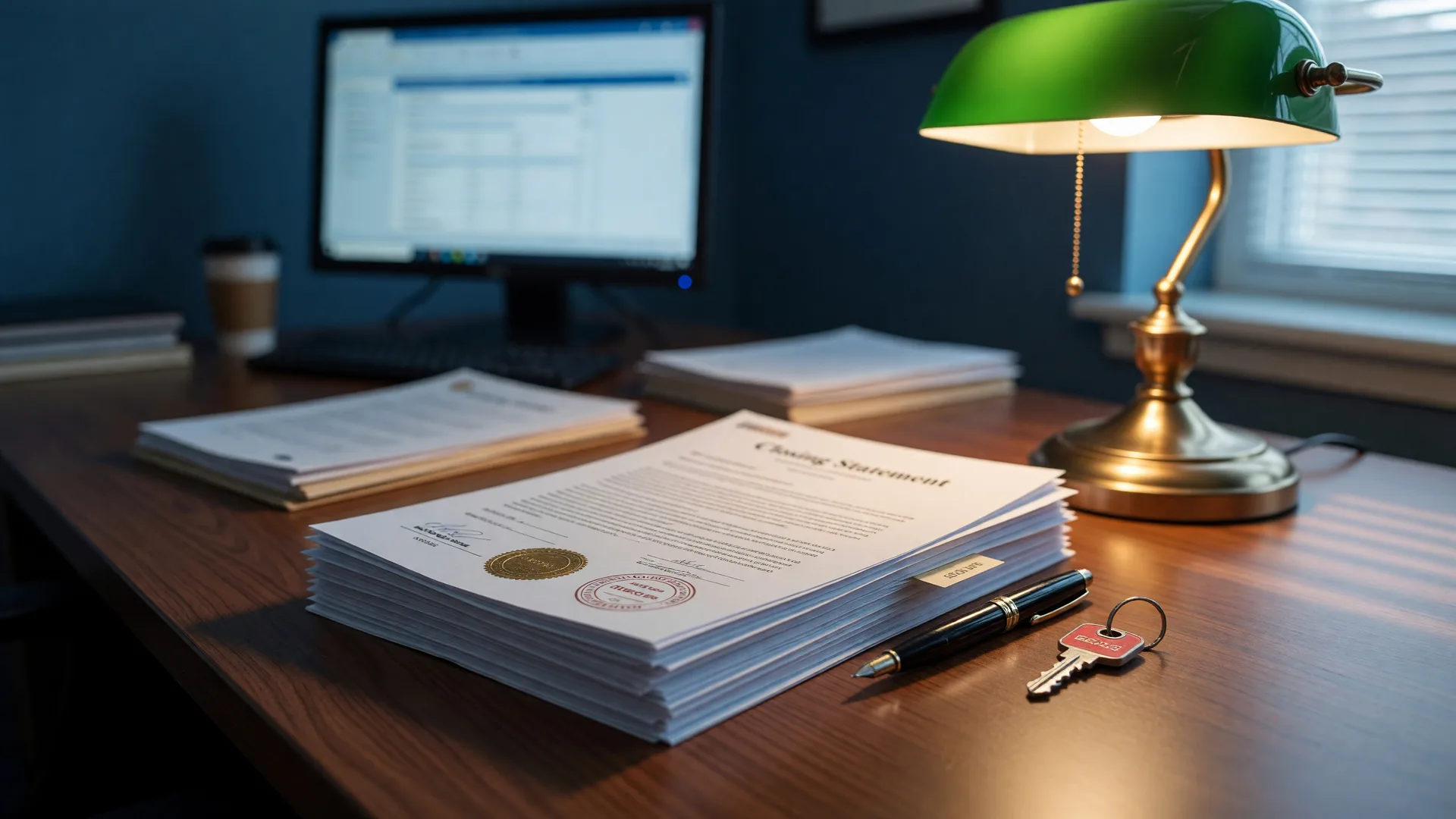
After closing, the title company makes sure the deed is recorded in the county records. That recording is what publicly transfers ownership from the seller to the buyer.
The company also disburses funds according to the closing statement: paying off the seller's existing loans, paying the county and other tax authorities, paying real estate commissions, and sending the seller their net proceeds.
Why It Matters
A title company's work happens mostly behind the scenes. That's by design.
When everything goes smoothly, it can look like no one did anything at all.
But the alternative is worse: buying a home and later discovering an old lien, a forged deed in the chain of title, or an heir nobody knew about. Those problems can threaten your ownership, your ability to sell, and your money.
The title company exists to find those risks, resolve the ones that can be resolved, insure the ones that remain, and get you to closing with confidence.
That's what we actually do.
This article provides general educational information about title and closing services and is not legal advice. Title insurance coverage varies by policy and state. Consult your title professional or attorney for guidance on your specific transaction.