You buy one house. There is one closing. So why are there sometimes two title insurance policies?
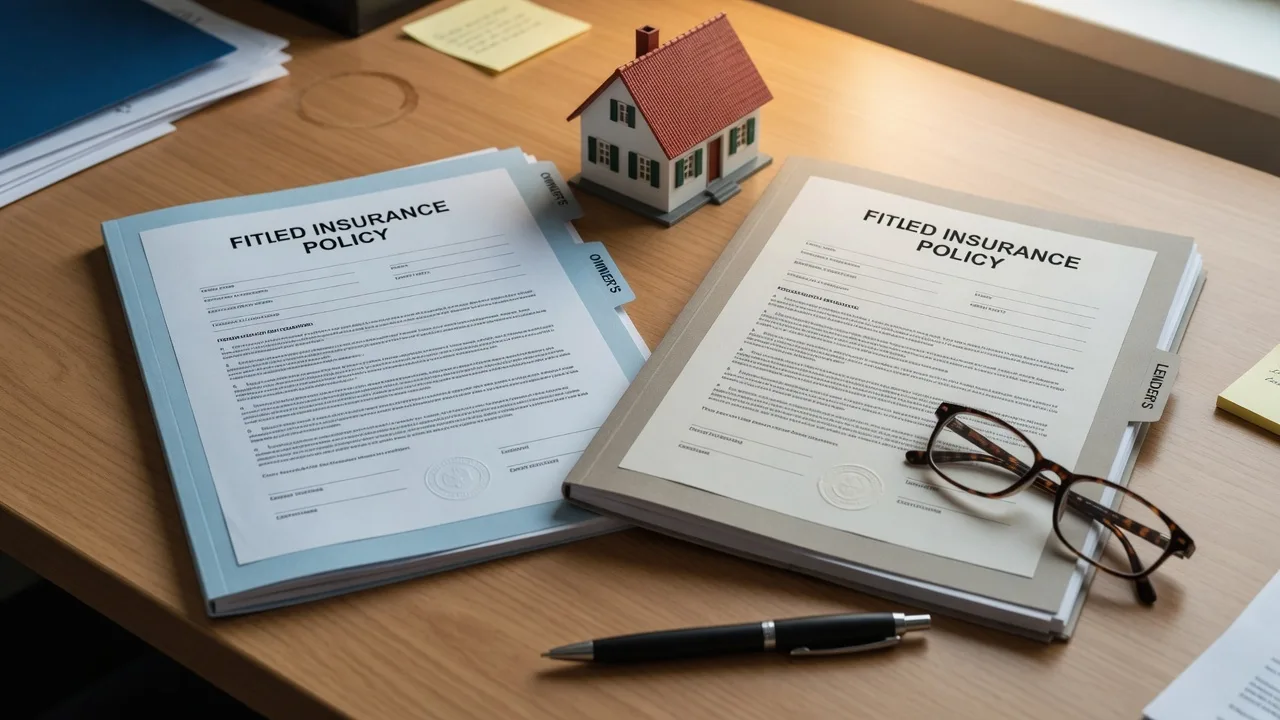
The short answer: the two policies protect two different interests in the same property.
If you're financing the purchase, your lender will require a lender's title insurance policy, and you will be charged for it. That's the policy that protects the bank's investment.
The other policy, the owner's policy, protects you. And here's the part that surprises many buyers: the owner's policy is usually optional.
What the Lender's Policy Covers
When a lender makes a loan secured by a mortgage, they want to know that the mortgage is valid and that their lien is enforceable.
The lender's title policy protects the lender up to the amount of the loan. If a title problem later threatens the lender's security interest, the policy can cover the loss.
Here's the key detail: the lender's policy protects the lender, not you. It doesn't protect your equity, your investment, or your right to keep living in the house.
It also generally doesn't follow you if you sell. When the loan is paid off, the lender's policy expires.
What the Owner's Policy Covers
The owner's policy protects your interest as the owner of the property, typically up to the purchase price (and sometimes more, depending on the policy and endorsements).
It can cover things like:
- Someone else claiming ownership of your home.
- A lien or judgment that was recorded before you bought, even if it wasn't found in the search.
- A forged deed or signature somewhere in the chain of title.
- An undisclosed heir who surfaces after the prior owner's death.
- Boundary or survey issues that weren't disclosed.
- Recording errors that affect your ownership.
The owner's policy can pay for legal defense costs against covered claims, and in many cases, for the loss itself.
Why Two Policies?
Because the lender and the buyer have different exposures.
The lender is exposed for the balance of the loan. You are exposed for your down payment, your equity, and the value of your home.
A lender who lends 80 percent of the purchase price cares about their 80 percent. You care about the 100 percent, including the home itself.
That's why both policies exist, and why they're both issued at the same closing, often at the same time, from the same title company.
How Much Do They Cost?
Title insurance is paid once, at closing, and it lasts for as long as you own the property (in the case of the owner's policy). There are no monthly premiums.
In many states, the cost of the lender's policy is paid by the buyer as part of the closing costs. The owner's policy is a separate charge, and its premium is often lower when purchased at the same time as the lender's policy.
Compared with the purchase price of the home, both policies are relatively small one-time costs. But the owner's policy protects the largest investment most people will ever make.
Is the Owner's Policy Really Optional?
In most financed transactions, the lender's policy is required. The owner's policy is typically optional, and a buyer can decline it.
That's a decision many buyers regret later.
The title search is thorough, but it isn't perfect. County records are incomplete in ways that only surface later. People miss recording documents. Old records contain errors. Sometimes fraud is involved.
The owner's policy exists precisely because those things happen. It's the insurance that protects the money you actually put into the property, not just the bank's.
What About Refinances?
When you refinance, your lender will again require a lender's policy on the new loan. You'll see that charge in your refinance closing costs.
The owner's policy from your original purchase typically continues to protect you. If you didn't buy one originally, a refinance is a good opportunity to ask your title company about getting covered now.
The Bottom Line
The lender's policy protects the bank. The owner's policy protects you.
At closing, it can feel like one more fee in a long list of fees. But title insurance is one of the few closing costs that exists to protect you after the closing is over, sometimes for decades.
Before you waive the owner's policy to save money, ask your title professional what you'd be giving up. In most cases, the answer makes the one-time premium look very reasonable.
This article provides general educational information and is not legal or financial advice. Title insurance policies, coverage, and premiums vary by state and by the specific policy issued. Review your policy and ask your title professional about the coverage that fits your transaction.