Hopefully nothing goes wrong.
That's the honest starting point. Most homes are bought and sold without a title disaster, and most owners never make a claim.
But title insurance isn't for the transactions that go smoothly. It's for the ones that don't. And the question isn't whether problems happen, it's who pays when they do.
What You Give Up Without an Owner's Policy
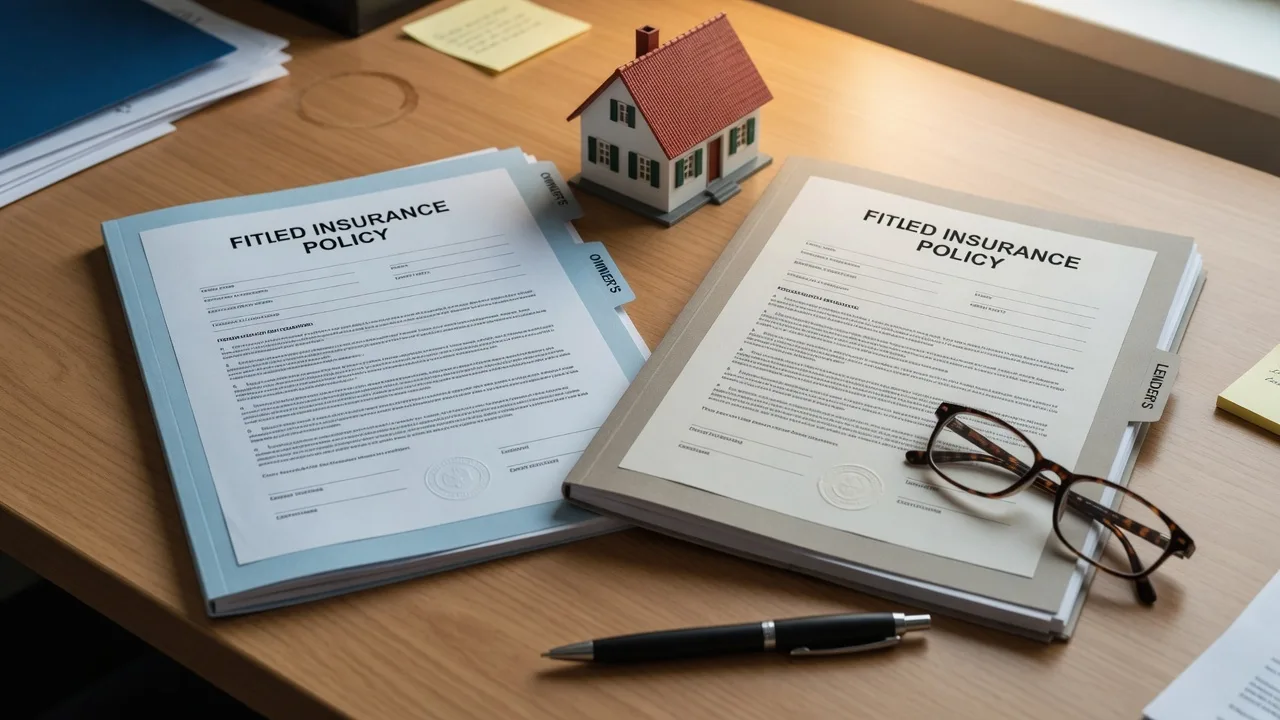
When you finance a home, the lender requires a lender's title policy. That protects the bank's money. It does nothing for yours.
The owner's policy, which protects you, is usually optional. Many buyers decline it to save a few hundred dollars. Here's what that decision can mean:
- You pay your own legal bills if your title is challenged.
- You absorb the loss if a covered defect is discovered.
- You deal with the problem yourself, sometimes for years.
The Problems That Can Surface
Title problems are rarely dramatic at first. They usually start with a letter, a phone call, or a document that appears out of nowhere.
Hidden Liens
A contractor claims they were never paid for work on the house. A prior owner's unpaid tax bill comes due. A judgment against the previous owner attaches to the property.
Without title insurance, defending against those claims and paying them if they're valid comes out of your pocket.
Undisclosed Heirs
A prior owner died, and the deed wasn't properly handled. Years later, an heir the family never mentioned appears and claims an interest in the property.
This isn't a rare plot line. It's one of the most common title claims there is.
Forged or Fraudulent Documents
Somewhere in the chain of title, a signature was forged. A deed was signed by someone who had no right to sign. A fraudulent transfer was recorded.
The public records don't reveal these problems, and no amount of careful searching will always catch them.
Boundary and Survey Issues
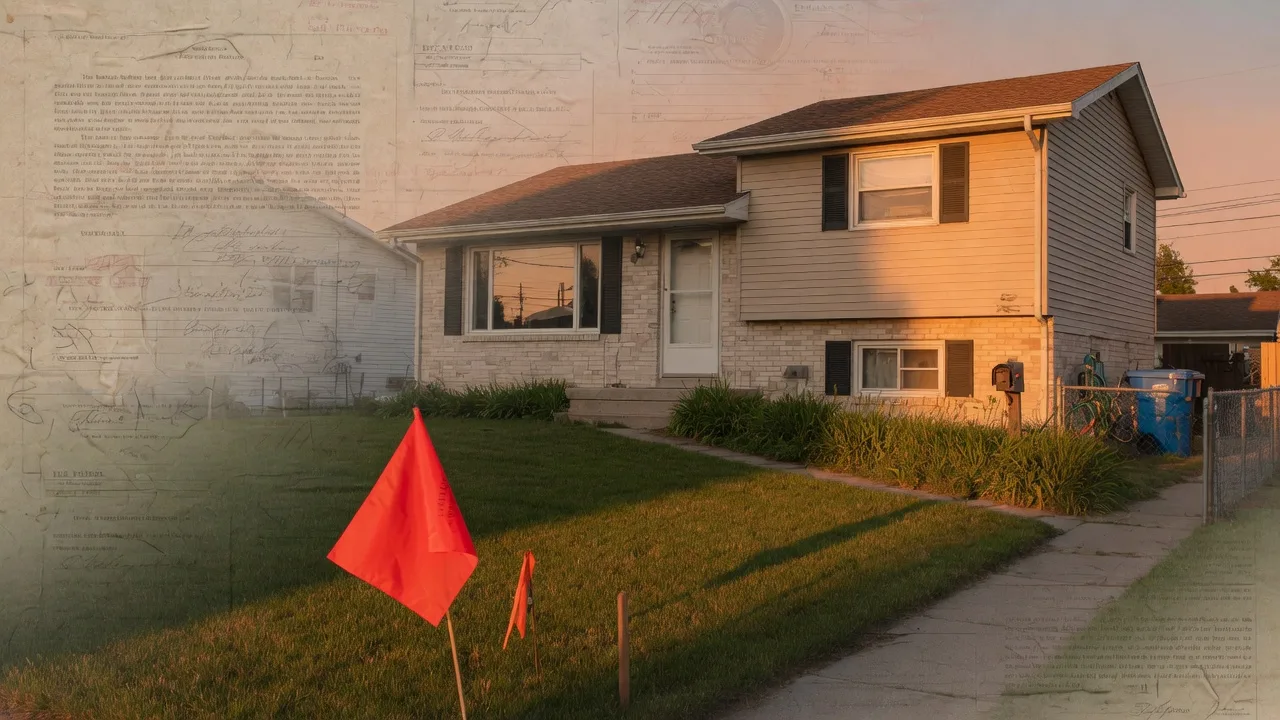
The fence is three feet onto the neighbor's property. The garage encroaches on an easement. The property line in the deed doesn't match the survey.
These disputes can be expensive to resolve, and they can affect your ability to sell.
Recording Errors
A document was recorded against the wrong property. An indexing error buried a critical filing. A release was never recorded after a loan was paid off.
The records say one thing, and the reality is another.
What "Cloud on Title" Means
Real estate professionals use the phrase "cloud on title" to describe a claim or defect that makes ownership uncertain.
A cloud can make it difficult to sell the property, difficult to refinance it, and difficult to prove you own it. Clearing a cloud can require legal action, sometimes a quiet title lawsuit, and that costs time and money.
Without title insurance, you bear both.
The Defense Dilemma
Here's what many buyers don't realize: title insurance isn't just about paying claims. It's also about paying for the defense.
When someone challenges your title, the insurer typically hires the attorneys and covers the legal costs. A title company has a strong incentive to resolve the problem quickly, because every day of defense costs them money.
Without insurance, you hire the attorney. You pay the hourly rate. You stress about the outcome. And if the claim is valid, you pay that too.
What About the Title Search?
A thorough title search catches a lot. That's true, and it's why the search is worth every minute it takes.
But the search is not a guarantee. It examines the public records that exist, and the records are not perfect. Documents go missing. Indexes contain errors. Fraud happens.
The owner's policy covers the gap between what the records show and what the reality turns out to be. That gap is exactly where claims come from.
Who Skips Title Insurance?
Cash buyers are the most likely to skip the owner's policy, because no lender is requiring it. If you're paying cash, the entire value of the home is your equity, which makes the risk even larger relative to what you've invested.
Some buyers also skip it on investment properties or smaller transactions. The logic is always the same: "It probably won't happen to me."
It probably won't. But "probably" isn't a protection strategy for the largest purchase of your life.
How to Protect Yourself Without Relying on Luck
- Buy the owner's title insurance policy. It's a one-time cost, and it lasts as long as you own the property.
- Ask your title company about the specific risks common in your area.
- Consider a Property DNA Report before you buy, so you understand what the records show before you commit. It doesn't replace the formal title examination, but it's a valuable early look.
- Keep your title policy documents in a safe place. You'll need them if a claim ever comes up.
The Bottom Line
Buying without title insurance usually works out fine. Most of the time, nothing goes wrong.
But when something does go wrong, the cost is measured in legal fees, lost equity, and years of stress.
The one-time premium for an owner's policy is a small price for the certainty that a covered problem won't become your problem.
This article provides general educational information and is not legal or financial advice. Title insurance coverage varies by state and policy. Speak with your title professional about the risks in your market and whether an owner's policy is right for you.