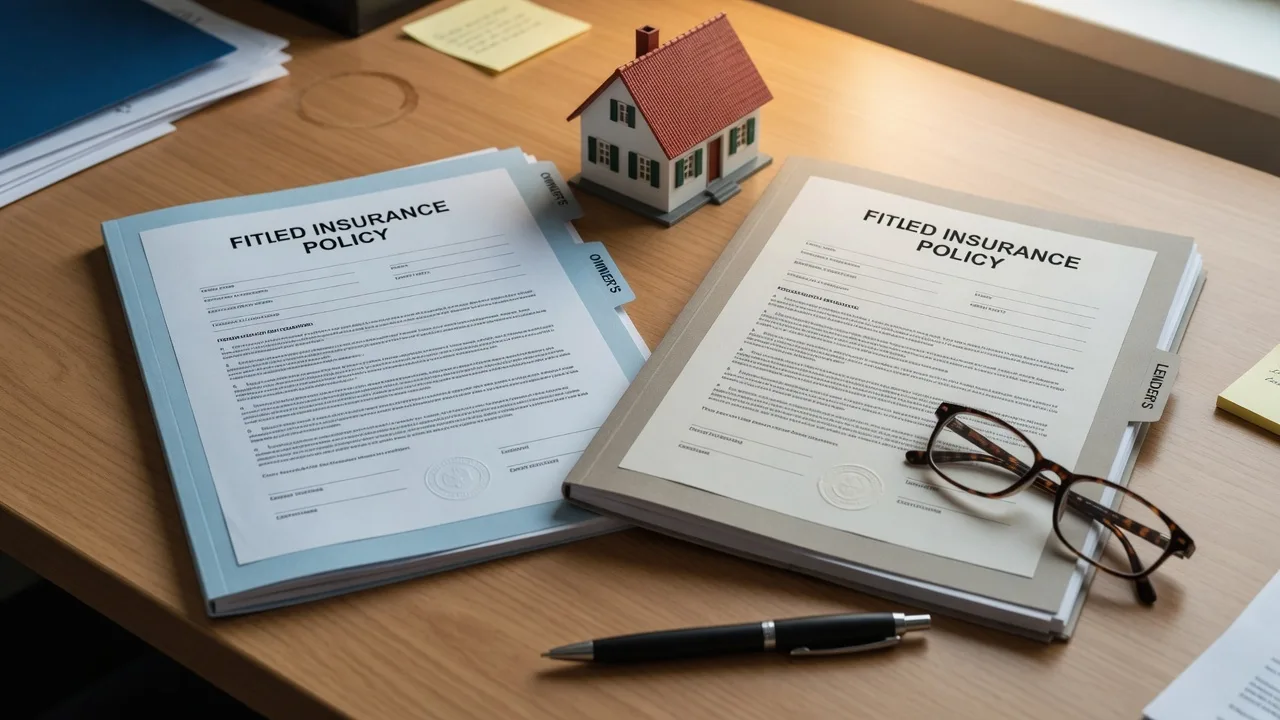
A title insurance policy protects you against title risks: hidden liens, forged documents, undisclosed heirs, and other problems with the records.
But what protects you if the settlement agent mishandles the closing itself?
That's where the Closing Protection Letter, often called a CPL, comes in.
What a CPL Is
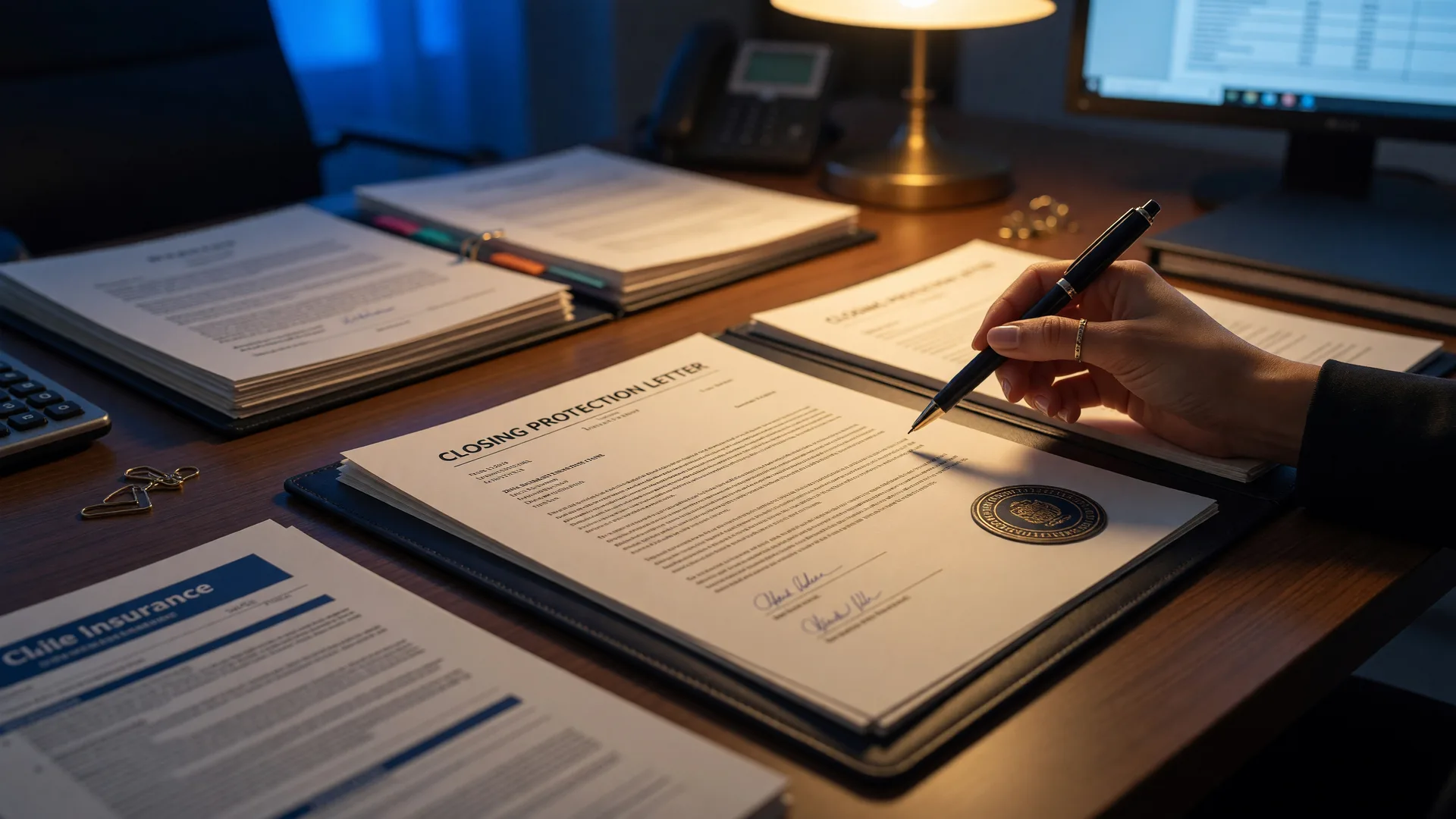
A Closing Protection Letter is a document issued by the title insurance underwriter to a party in the transaction, usually the lender, the buyer, or both.
In it, the underwriter agrees to reimburse the protected party for actual losses caused by certain misconduct of the settlement agent. The settlement agent is the person or company actually conducting the closing.
It's a separate layer of protection from the title policy itself.
What a CPL Covers
A typical CPL covers specific kinds of settlement-agent failures, including:
- Theft or fraud by the settlement agent in connection with the closing.
- Failure to follow written closing instructions from the protected party, such as paying off a lien or recording the deed.
- Failure to pay money due for taxes, assessments, or other charges when those payments were part of the settlement instructions.
If the settlement agent steals the closing funds or fails to record your deed after promising to do so, the CPL is the mechanism that can make you whole.
What a CPL Does NOT Cover
It's just as important to understand what a CPL doesn't do.
A CPL is not title insurance. It doesn't cover title defects, and it doesn't cover problems with the property's history.
If a hidden lien from before your purchase shows up later, that's a claim for your title insurance policy, not the CPL.
The two protections work together: title insurance protects against title risks, and the CPL protects against settlement-agent misconduct.
Who Gets One?
Lenders routinely require a CPL as part of their closing conditions, because they're putting enormous amounts of money through the settlement process.
Buyers can also be protected under a CPL, often at no additional cost, when the settlement agent is an agent of the underwriter. It's worth asking your title company whether a CPL is available for you in your transaction.
Why CPLs Matter More Than Ever
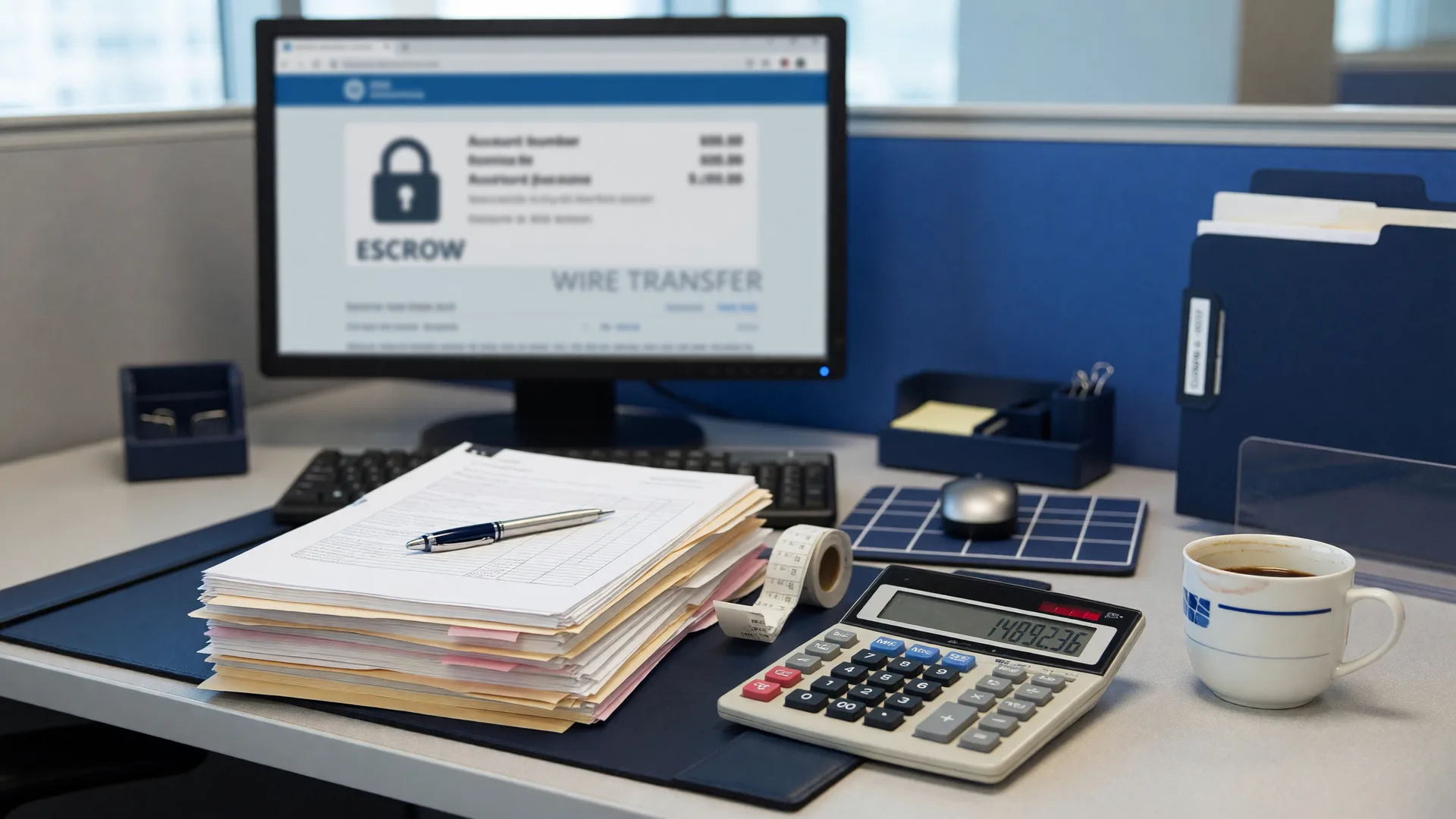
Wire fraud and settlement fraud have become significant concerns in real estate.
In a typical closing, hundreds of thousands of dollars move through the settlement agent's hands. If those funds are diverted or mishandled, the loss can be devastating.
The CPL gives the protected party a direct claim against the underwriter for covered misconduct, rather than leaving them to chase a settlement agent who may be out of business.
How It Works in Practice
Imagine you wire your closing funds, and the settlement agent fails to pay off an existing lien as instructed. Later, that lien resurfaces and threatens your ownership.
With a CPL, you may be able to recover the loss directly from the underwriter. The underwriter, in turn, has its own remedies against the settlement agent.
The letter effectively stands behind the people who stand between you and a completed transaction.
What to Ask Your Title Company
When you're preparing for closing, a few questions are worth asking:
- Will I be issued a Closing Protection Letter for this transaction?
- What exactly does the letter cover, and who is protected?
- How do I make a claim if something goes wrong?
A reputable title company should be able to answer all three without hesitation.
The Bottom Line
The closing is the moment when a lot of money and a lot of trust come together.
Title insurance protects the title. The Closing Protection Letter protects the process.
Both are worth understanding, and both are worth having on your side.
This article provides general educational information and is not legal or financial advice. Closing Protection Letters vary by underwriter, state, and transaction. Ask your title professional whether a CPL is available and what it covers in your closing.