In many wire-fraud schemes, the criminal's most valuable target is not a bank account. It is an email account.
This is a critical distinction. Most people imagine wire fraud as a technical hack: someone breaks into a bank's system and diverts a wire. That does happen. But a far more common scenario is that the criminal compromises an email account and uses it to trick someone into sending money voluntarily.
Here is why the email account is the real target and why that matters for your protection.
The Email Account as the Master Key
In a real estate transaction, the email account of a real estate agent, a title company employee, a lender, or even the buyer or seller is effectively a master key. That one account provides access to the entire transaction: who is involved, what the closing date is, how much money is moving, and where the funds are supposed to go.
A criminal who gains access to a single email account can:
- Read every email thread related to the transaction.
- Learn the names, roles, and communication patterns of every party.
- Identify exactly when the wiring instructions will be sent.
- Intercept legitimate wire instructions and replace them with fraudulent ones.
- Send messages that appear to come from a trusted participant.
The same account that a real estate agent uses to coordinate showings and negotiate offers is the same account that holds the keys to your closing funds. That is why it is such a valuable target.
How Email Accounts Get Compromised
Email accounts are not typically compromised through sophisticated hacking. The most common methods are surprisingly simple.
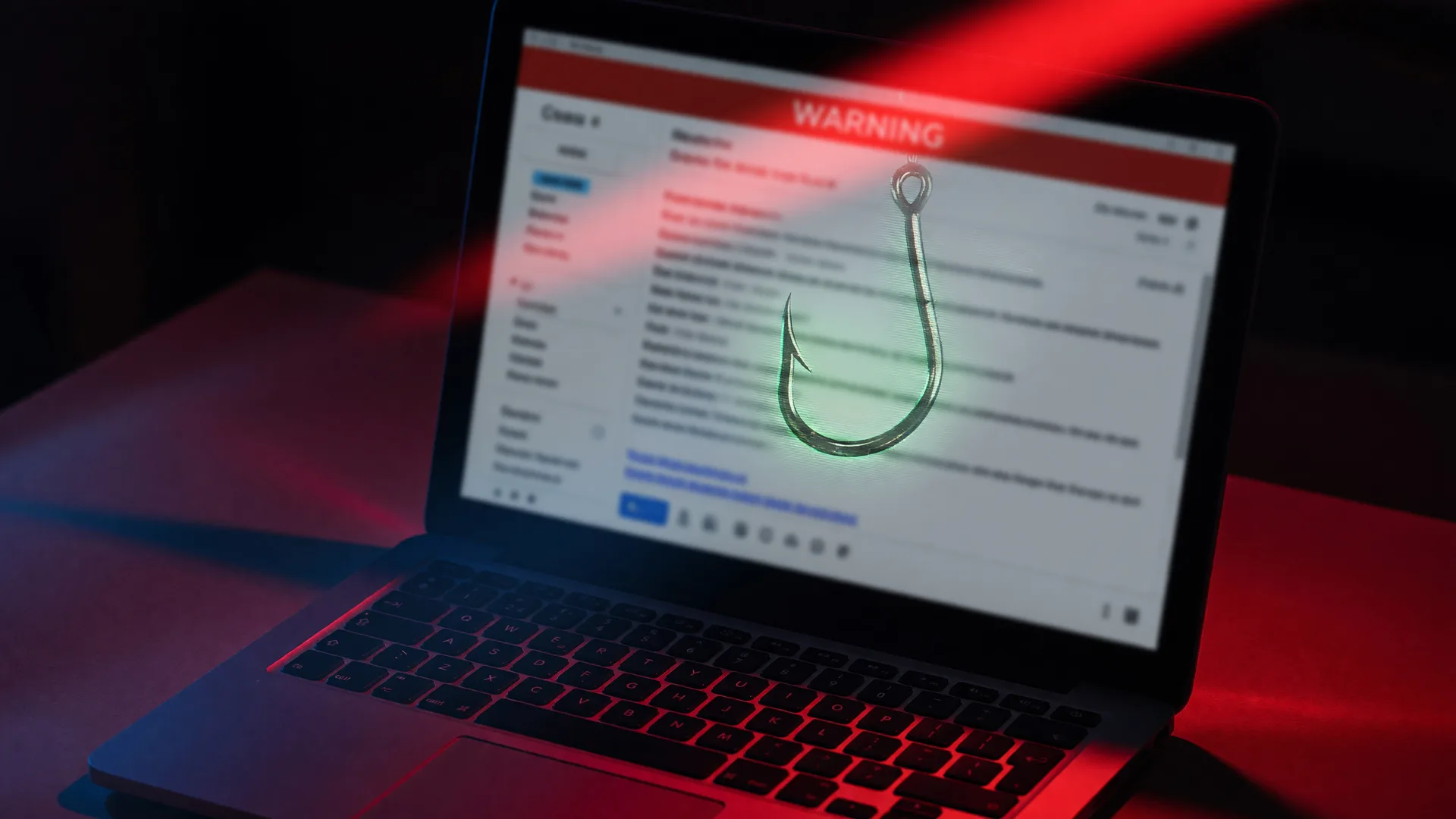
- Phishing emails: A criminal sends an email that looks like it is from a legitimate service, such as a document-sharing platform or an email provider, asking the recipient to log in. The link goes to a fake login page that captures the credentials.
- Reused passwords: If a person uses the same password across multiple services, and one of those services suffers a data breach, the criminal simply tries that email and password combination on email platforms until it works.
- Social engineering: The criminal calls the target, pretends to be IT support, and asks for the password or a verification code.
- Malware attachments: An attachment in a seemingly routine email installs software that captures keystrokes or steals saved credentials from the browser.
None of these methods require the criminal to be a technical genius. They require persistence and a willingness to exploit human behavior.
The Quiet Period
One of the most dangerous aspects of email compromise is that the criminal often does not use the account immediately. Instead, they wait.
They set up rules within the email system to automatically forward certain messages, or to hide emails that might alert the account owner. For example, they may create a rule that moves any email containing "wiring instructions" or "closing funds" to a hidden folder or forwards it to an external address.
The account owner sees nothing unusual. The criminal watches quietly, waiting for the right moment to strike.
Why This Matters for Consumers
Understanding that the attack starts with an email account changes how you should think about security in a real estate transaction.
It means that the security of your closing does not depend solely on the title company's bank or its internal systems. It also depends on the email security practices of every person involved in the transaction.
A real estate agent who uses a weak password or clicks on a phishing link can create an opening for a criminal to access the entire transaction stream. The same is true for a loan officer, a title company employee, or even the buyer or seller.
What Title Companies Do to Protect Email
Reputable title companies invest significantly in email security. This includes multi-factor authentication, employee training on phishing awareness, email filtering systems, and policies that restrict how wiring instructions are transmitted.
Many title companies now refuse to send wiring instructions by email at all. Instead, they provide them through secure portals, by phone, or in person. This eliminates the most common vector for wire fraud: the email attachment containing bank account numbers.
What You Can Do
As a consumer, you can also take steps to protect yourself:
- Enable multi-factor authentication on your email account. This is the single most effective way to prevent unauthorized access.
- Use a strong, unique password for your email account. Do not reuse passwords from other services.
- Be suspicious of any email asking you to log in, especially if it creates a sense of urgency.
- If you receive wiring instructions by email, treat them as unverified until you independently confirm them by phone.
- Ask your title company how they deliver wiring instructions. If they send them by email, ask whether a secure alternative is available.
The Bottom Line
Wire fraud does not begin at the bank. It begins in the inbox.
The email account is the gateway. Once a criminal controls that gateway, they can manipulate the entire transaction without ever touching a bank system.
That is why protecting your email account and independently verifying every wire instruction are two of the most important things you can do to keep your closing funds safe.
This article provides general educational information and is not legal, financial, or cybersecurity advice. If you believe your email account has been compromised, change your passwords immediately and enable multi-factor authentication.