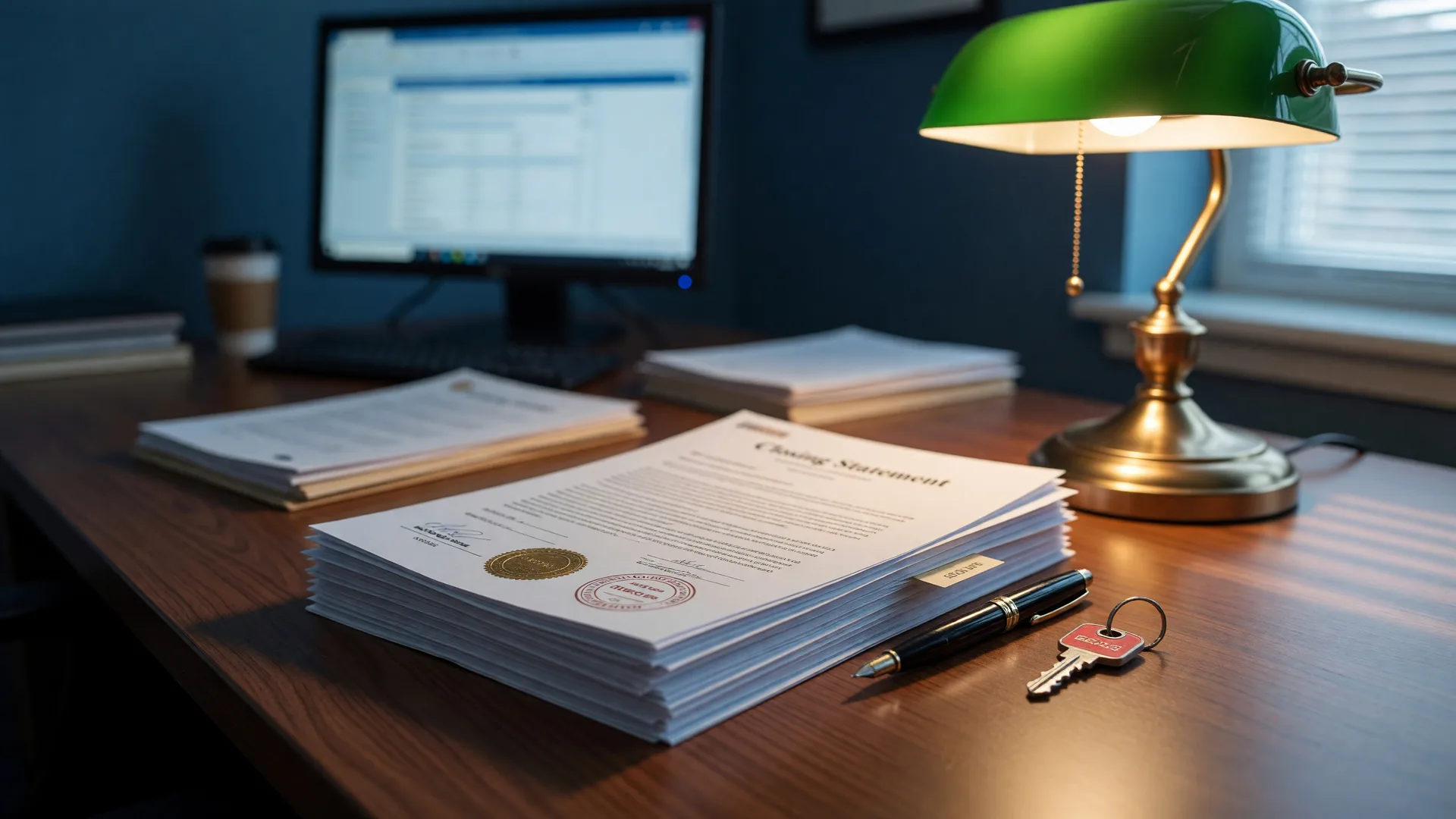
You have probably seen the commercials. A well-known company offers to "monitor your home title" for a monthly or annual fee. The message is urgent: identity thieves could steal the title to your house, and you would not know until it is too late. The solution, they say, is to pay them to watch for it.
The concern is real. Title fraud -- where someone forges a deed and transfers ownership of your property without your knowledge -- does happen. But before you sign up for a paid monitoring service, there is something you should know: your county recorder or assessor's office likely already offers the same information for free.
What Title Monitoring Services Actually Do
Most home title monitoring services scan the public land records for your county and alert you when a document is recorded against your property's parcel number or legal description. That alert could flag a deed, a lien, a mortgage, or any other recorded instrument.
In theory, this gives you early warning if someone tries to fraudulently transfer your property out of your name.
The service is not doing anything a motivated person could not do themselves. It is checking the same public records that anyone can access. The difference is convenience: they check automatically and send you a notification instead of requiring you to look.
What Your County Already Offers for Free
Many county recorder, clerk, or assessor offices provide free tools that do exactly the same thing. Here is what to look for:
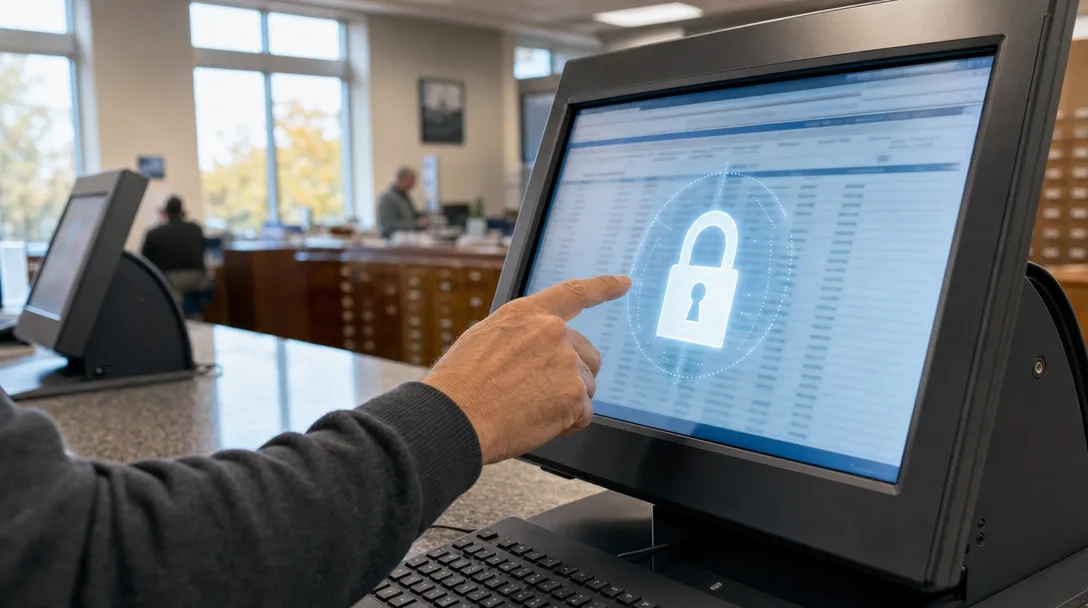
- Free property alert systems. A number of counties now offer free notification services -- sometimes called "Property Alert" or "Document Recording Notification" -- that send an email when a document is recorded against a specific parcel. Riverside County in California, for example, offers a free e-notification system. Clark County in Nevada (where we are based) provides public access to recorded documents through its online records portal.
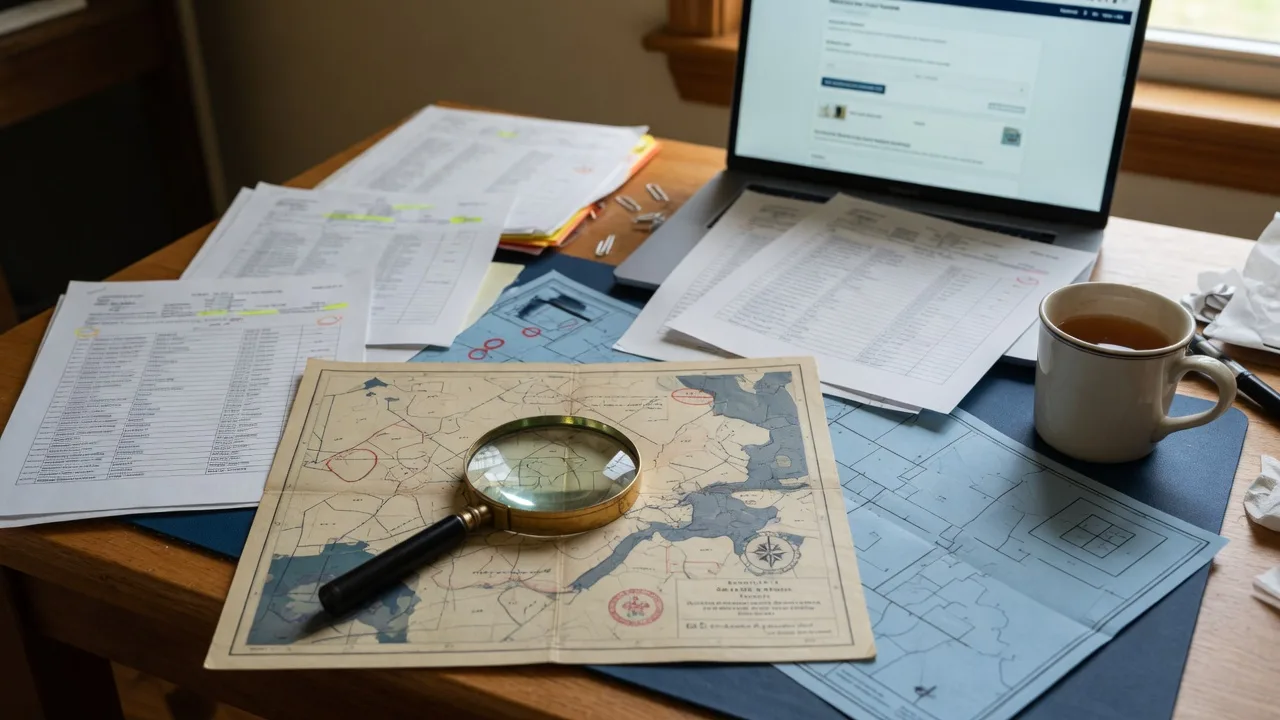
- Online document search. Most counties now publish their recorded land records online. You can search by owner name, parcel number, or property address and see every document recorded against your property. Many allow you to view the actual recorded document as a PDF.
- In-person access. If your county does not offer online alerts, you can still visit the county recorder or assessor's office and request to see the records for your parcel. Public records are, by definition, public.
The California Association of Realtors even maintains a list of California counties that offer free property fraud alerts. Other states have similar resources through their county recorders associations.
Does That Mean Paid Services Are a Scam?
Not necessarily. There are legitimate reasons someone might choose a paid service:
- They own property in multiple counties and want a single dashboard to monitor all of them.
- They want additional features the county does not offer, such as credit monitoring bundled with the title monitoring.
- Their county does not offer any electronic notification system, and they cannot easily check in person.
- They value the convenience of having someone else handle it and are willing to pay for that convenience.
But for most homeowners in a single county, the free option from the county recorder's office provides functionally identical protection: an email alert when a document is recorded against your property.
The Real Cost of Title Fraud
Let's be clear: title fraud is serious. A fraudulent deed can cloud your title, make it impossible to sell or refinance, and take months or years and thousands of dollars in legal fees to clear. In extreme cases, victims have lost their homes entirely before discovering the fraud.
But the risk is not equally distributed. Most title fraud targets vacant or rental properties, properties with no mortgage (since lenders monitor their own collateral), and properties owned by elderly or absent owners. If you live in your home and have a mortgage, your lender is already watching the title for their own protection.
What Is a Better Strategy Than Paying for Monitoring?
Instead of paying a company to send you alerts, here is a more comprehensive approach to protecting your property:
1. Set up free county alerts. Start with your county recorder or assessor's website. Search for "property alert," "document recording notification," or "fraud alert." If you cannot find it, call the recorder's office directly and ask.
2. Check your county records periodically. Even without an alert system, you can search your parcel online once or twice a year. Make it part of the same routine as checking your credit report.
3. Consider an owner's title insurance policy. If you already have one (most buyers get one at closing), it covers losses from title defects -- including certain types of forgery and fraud -- that existed before you bought the property. If you do not have one and you own your home free and clear, talk to a title company about whether a policy makes sense for your situation.
4. Watch for warning signs. You stop getting your property tax bill. You receive mail from a company you have never heard of addressed to "Owner." Someone offers to buy your property for cash out of the blue. These can all be signs that someone is trying to assert control over your property.
5. Keep your contact information current. If your county sends notices by mail (tax bills, assessment notices), make sure your mailing address on file with the county is correct. Those mailed notices are often the earliest indication that something has changed on your property records.
What About Services That Claim to "Monitor" Unknown Activity?
Some services go beyond county records monitoring and claim to scan the internet, credit reports, and other data sources for signs of title fraud. These broader services may catch things a county alert would miss. But they also come at a higher price and may generate false alarms that do not actually affect your title.
Before signing up, ask exactly what databases they check and how they would distinguish a legitimate transaction from a fraudulent one. If the answer is vague, the value is probably vague too.
The Bottom Line
Home title monitoring is a legitimate service with a legitimate use case. For some homeowners, the convenience and peace of mind are worth the annual fee.
But before you pull out your credit card, check what your county already offers for free. Many homeowners are paying $240 a year for a service their county recorder would provide at no cost with a five-minute online setup.
And if you are concerned about title fraud, the single most effective step you can take is to record your deed properly when you buy the property, maintain your owner's title insurance policy, and keep a basic awareness of what the public records say about your home. The county records are already public. They are already monitored. The question is whether you need to pay someone to tell you what you can look up yourself.
This article provides general educational information and is not legal advice. Title fraud laws and county record availability vary by jurisdiction. Contact your local county recorder or assessor's office to confirm what free services are available in your area.