Imagine this: you bought your home when mortgage rates were historically low and locked in a 2.75% interest rate. Now you want to move. If only you could take your mortgage with you.
That is exactly what a portable mortgage is designed to do.
A portable mortgage lets a homeowner transfer their existing mortgage from one property to another without refinancing. The interest rate, loan terms, and remaining balance follow you to your new home.
It sounds almost too good to be true. And in many ways, it is.
How a Portable Mortgage Works in Theory
In a true portable mortgage, you sell your current home and use the proceeds to pay down the existing loan balance. The remaining mortgage amount is then transferred to your new property. The lender keeps the same note, the same rate, and roughly the same amortization schedule.
You avoid paying closing costs on a new loan. You avoid whatever the current market interest rate happens to be. And you avoid the paperwork and understaking of a full refinance.
For someone who bought at 2.75% and now faces a market rate of 6% or higher, the appeal is obvious.
The Problem: Portable Mortgages Are Rare
The first complication is that portable mortgages are not common in the United States.
They exist. Some credit unions offer them. A few portfolio lenders include portability clauses in certain loan products. The FHA allows portability for some streamline refinances under specific conditions.
But conventional mortgages sold to Fannie Mae and Freddie Mac, which represent the vast majority of home loans in this country, are not portable.
Neither are most jumbo loans, non-QM loans, or bank-held portfolio products unless the lender specifically built portability into the note. And most lenders did not.
The reason is straightforward: lenders make money on origination fees and interest rate spreads. A portable mortgage that follows you from house to house means the lender originates fewer new loans. There is not a strong economic incentive for most lenders to offer them broadly.
Even When Portability Exists, There Are Strings
Let us say you have a portable mortgage. You are one of the few. Before you pack the moving truck, consider what portability actually requires.
Most portable mortgages impose conditions:
- Timing limits. You may have only a narrow window after selling your current home to complete a new purchase, often 30 to 60 days.
- Loan amount limits. If your new home costs more, you may need additional financing at market rates, creating a blended rate that is less attractive than you hoped.
- Property type restrictions. Some portable mortgages require the new property to be a primary residence with similar characteristics to the old one.
- Credit and income qualification. Portability does not mean the lender skips underwriting. You still have to prove you can afford the payment on the new property.
- Appraisal requirements. The new property still needs to appraise for enough to secure the loan.
Portability is not a free pass. It is a structured transfer that still involves lender approval.
Portability vs. Assumability
Portable mortgages are often confused with assumable mortgages, but they are different.
An assumable mortgage lets a buyer take over the seller's existing loan. The buyer assumes the payments. The seller walks away.
A portable mortgage lets the seller take their loan with them. The buyer gets a different loan for the new purchase.
Both concepts are appealing in a rising-rate market. Both are limited in practice. Neither is an easy solution for most homebuyers or homeowners. (We cover assumable mortgages in more detail in a separate article.)
The Title Company's Role
Why does a title company care about portable mortgages?
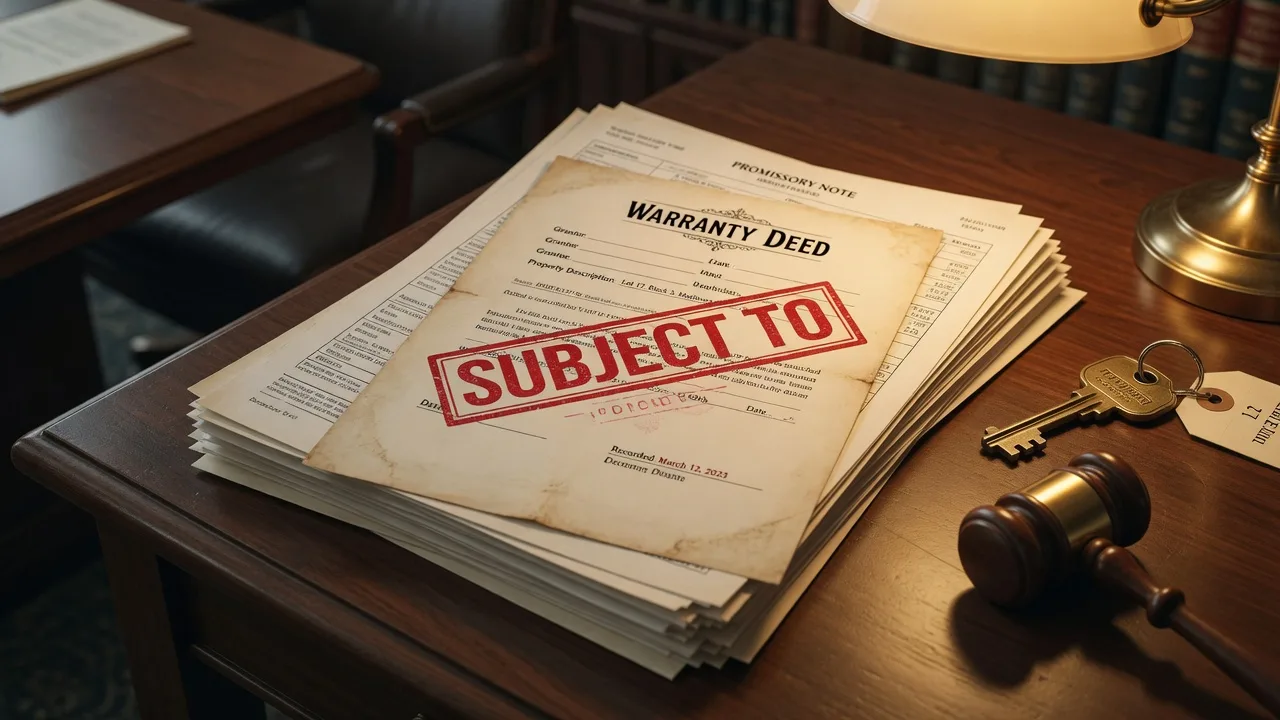
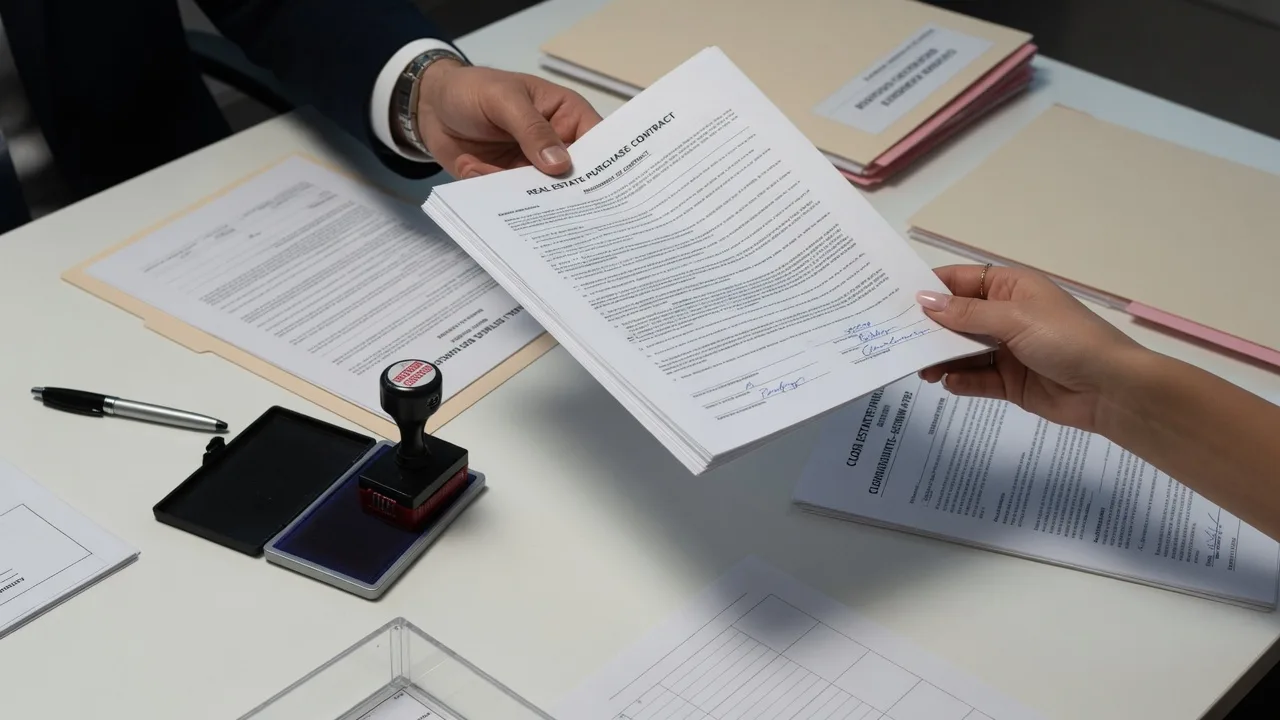
Because any transaction that involves transferring an existing mortgage to a new property requires careful coordination. The existing lien on the old property must be released. A new lien securing the same note must be recorded on the new property.
That process involves title work, recording, and lender payoff coordination. It is not simply a matter of the borrower telling the lender "I moved."
The escrow and title team must ensure that the lien releases are handled correctly, that the new property is properly titled, and that no intervening liens or judgments attach to the transferred funds or the new property. It adds complexity to what would otherwise be a standard purchase and sale.
The Bottom Line
Portable mortgages are a brilliant idea in theory and a rare exception in practice.
If you have one, understand the conditions and limitations before you count on it for your next move. If you are shopping for a new mortgage and think you might move again, ask your lender whether any of their products include portability. The answer will almost certainly be no, but it costs nothing to ask.
For most homeowners, the more practical path is either an assumable mortgage if you are the buyer, or accepting that your low rate stays with the house you are leaving behind.
This article provides general educational information and is not legal or financial advice. Mortgage portability terms vary by lender and loan product. Consult your lender and a qualified real estate professional for guidance specific to your situation.