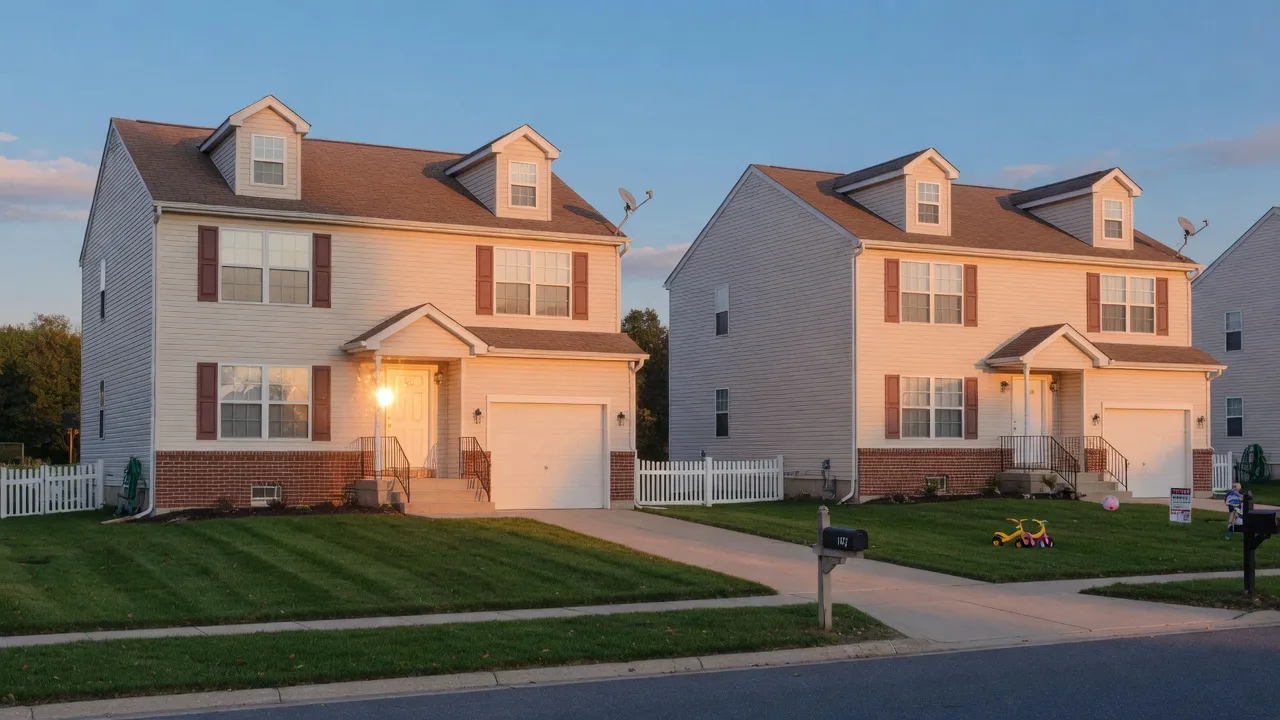
Two houses sit next to each other on the same street. Same builder, same floor plan, same school district. Both listed for sale at about the same price.
But one of them comes with a 3% mortgage the buyer might be able to take over from the seller.
In a market where new mortgage rates are north of 6%, that difference is not small. On a $400,000 loan, the difference between 3% and 6.5% is roughly $900 per month in interest alone. Over 30 years, it is hundreds of thousands of dollars.
That is why assumable mortgages matter.
What Is an Assumable Mortgage?
An assumable mortgage is exactly what it sounds like: a mortgage that a buyer can assume, or take over, from the seller.
When a buyer assumes a loan, they step into the seller's place as the borrower. The interest rate, the remaining loan balance, and the remaining term all transfer to the new owner. The buyer does not need to get a new mortgage at current market rates.
The seller gets relief from the debt and is generally released from further liability on the note, though the details depend on the type of assumption and the lender's policies.
Not All Mortgages Are Assumable
Here is where the picture gets complicated. Most conventional mortgages are not assumable.
Conventional loans sold to Fannie Mae and Freddie Mac typically contain a due-on-sale clause. That clause says the lender can demand full repayment of the loan if the property is sold or transferred. In practice, that means if you try to transfer the loan to a buyer, the lender can call the loan due.
The mortgages that are assumable are generally:
- FHA loans. FHA mortgages are assumable, provided the buyer qualifies credit-wise. The assumption can be done with or without a new appraisal depending on the situation.
- VA loans. VA loans are assumable, even by non-veterans, though there are specific rules and fees involved.
- USDA loans. USDA rural development loans are also assumable with lender approval.
- Some portfolio loans. A small number of bank-held or credit union loans may be assumable if the note allows it.
If the seller has a conventional loan from a major bank or mortgage company, the assumption path is almost certainly closed.
How an Assumption Actually Works
An assumption is not a handshake deal. It is a formal process that involves the lender.
The buyer must apply with the existing lender, provide income and asset documentation, and pass a credit review. The lender wants to know that the person taking over the loan can actually make the payments.
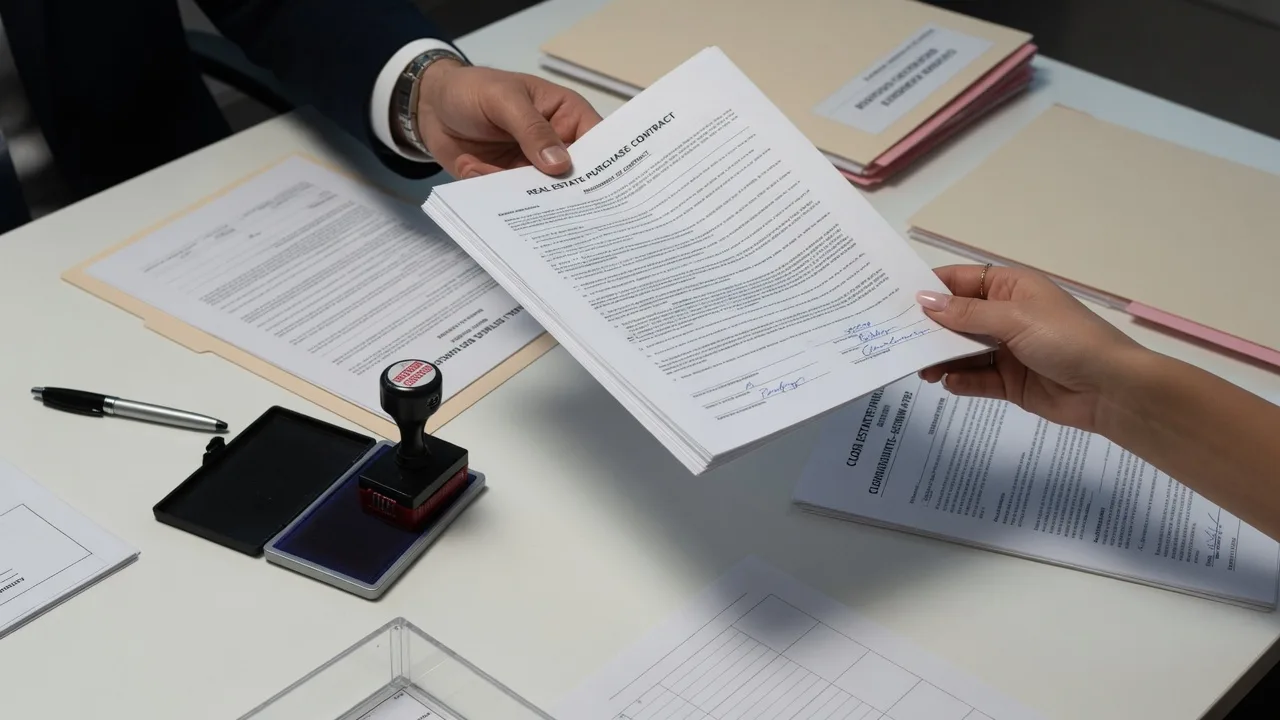
If the buyer qualifies, the lender issues an assumption agreement. The buyer signs. The seller signs. The title company records any necessary documents, and the loan transfers to the buyer.
The buyer typically pays assumption fees, which are usually far lower than the closing costs on a new mortgage, but they are not zero.
What About the Down Payment?
This is the catch that surprises many buyers.
When a buyer assumes a mortgage, they take over the seller's remaining loan balance. If the purchase price is higher than the loan balance, the buyer must pay the difference in cash or through a second mortgage.
For example, if the house sells for $400,000 and the seller's remaining loan balance is $250,000, the buyer needs to come up with $150,000 beyond the assumed loan. That is essentially a large down payment.
That cash requirement can make assumptions difficult for buyers who do not have substantial equity saved up. On the other hand, for a buyer who has the cash, the savings from a lower interest rate can be enormous.
Why Sellers Sometimes Resist
A seller might hesitate to allow an assumption because of the due-on-sale clause risk and the lingering liability question.
Even after an assumption, some loan documents technically leave the original borrower on the hook if the new borrower defaults. An FHA assumption with a release of liability solves this, but only if the lender formally releases the seller. Not all assumptions include a clear release.
Sellers who are considering an assumption should consult their lender and possibly an attorney to make sure they are truly off the loan.
The Title Company's Perspective
From a title and escrow standpoint, an assumption adds a layer of complexity to the closing.
The existing lien stays in place. The title company must confirm that the assumption is properly documented, that the lender has approved the transfer, and that no additional liens or judgments will interfere.
The escrow officer coordinates the payoff of any other liens, handles the buyer's additional cash contribution, and ensures the deed transfers ownership correctly while the existing mortgage remains on the property.
A clean assumption requires clear communication between the buyer, seller, lender, and title company. When it works, it can save everyone time and money. When it goes wrong, it can delay closing significantly.
The Bottom Line
Assumable mortgages are one of the few ways a buyer in a high-rate market can lock in a below-market interest rate.
They are not common. They require lender approval. And they often require the buyer to bring significant cash to bridge the gap between the purchase price and the remaining loan balance.
But for the right buyer on the right house with the right loan, an assumption can be the difference between an affordable monthly payment and a stretched one.
If you are looking at homes and wondering whether the seller's mortgage is assumable, the answer is almost certainly no unless the seller has an FHA, VA, or USDA loan. But it costs nothing to ask. And if the answer is yes, you may have found an opportunity that most buyers overlook.
This article provides general educational information and is not legal or financial advice. Assumption eligibility, terms, and lender requirements vary by loan type and servicer. Always verify assumption terms directly with the lender before entering a purchase agreement.