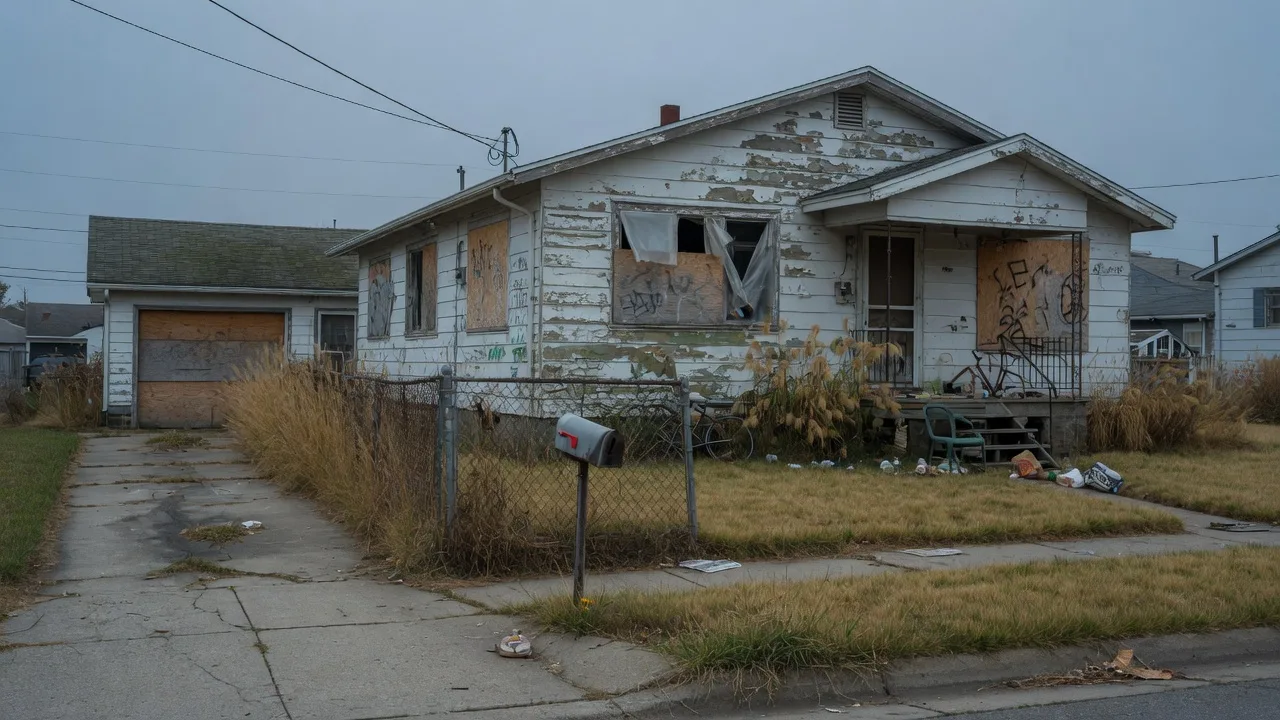
Zombie properties have a name that sounds like something from a horror movie. But the reality is far more mundane colloquial and far more common than many real estate professionals realize. A zombie property is a vacant abandoned home whose owner has stopped making mortgage payments, stopped maintaining the property, and walked away all while the formal foreclosure process is still pending. The owner hasn\u2019t been evicted. The bank hasn\u2019t taken possession. The property sits in limbo with no one clearly responsible for it.
There may be homeowners in your market right now who are in foreclosure, have stopped living in their property, and have essentially walked away. Their house is still titled in their name. Their name is still on the mortgage. But they are no longer present, no longer paying, and no longer participating. They have left the property mid-process and disappeared.
These zombie properties can represent a meaningful opportunity for real estate professionals who know how to identify them, locate the owner, and help the owner preserve whatever equity remains before the foreclosure sale eliminates it entirely.
What Makes a Property a Zombie Property?
A zombie property is created when a homeowner receives a foreclosure notice and responds by leaving the property before the foreclosure is complete. The homeowner stops paying the mortgage, stops maintaining the home, stops communicating with the lender, and simply moves away. The property becomes vacant. The yard overgrows. The roof leaks. The pipes may freeze.
The property is \u201czombie\u201d because it exists in a strange in-between state. The legal owner (the former homeowner) is gone. The lender hasn\u2019t completed the foreclosure and doesn\u2019t yet own the property. The property is technically owned by someone who doesn\u2019t live there and can\u2019t be reached.
Municipalities see abandoned properties with no responsible party. Neighbors see blight. And no one is maintaining or protecting the asset.
Why Do Owners Walk Away?
Homeowners walk away for many reasons. Financial hardship is the most common. Job loss, medical bills, divorce, or an adjustable-rate mortgage that adjusted beyond the homeowner\u2019s ability to pay. Some homeowners owe significantly more than the property is worth and see no reason to stay. Others simply become overwhelmed by the foreclosure process and choose to leave rather than fight or negotiate.
Some owners may not even fully understand that they still own the property and still have rights. They assume that once they walk away, the bank takes over. That is not how it works. Until the foreclosure sale is complete and the lender takes title through the foreclosure process, the homeowner still holds legal title. They are still the owner of record. That means they are still responsible for the property, even if they don\u2019t live there.
Using Data to Identify Zombie Properties
Identifying zombie properties is one of the most practical ways to use the data available through property records and title research tools. Several indicators can flag a potential zombie property in your market.
A lis pendens filing (notice of pending lawsuit) recorded against the property is often the first public sign that foreclosure proceedings have begun. When that filing exists but no foreclosure deed has been recorded, the property may still be in this zombie state.
A tax delinquency is another indicator. Homeowners who have walked away almost always stop paying property taxes. When the recorded owner on the title is a person (not a bank) but taxes have gone unpaid and the property appears uninhabited, that is a strong zombie signal.
Code enforcement violations, utility disconnection records, and HOA delinquency notices also point toward vacancy and abandonment. Properties that appear on municipal nuisance lists or have active code violation cases are often unmaintained, unoccupied, and owned by someone who has left the area.
Title professionals have access to the records that tie these pieces together. A Property DNA Report compiles foreclosure-related filings, tax status, owner-of-record information, and other public data into a single view that can help identify exactly these kinds of situations.
The Goal Isn\u2019t Just Getting the Listing
For real estate professionals, the instinct may be to see a zombie property and think of a listing opportunity. But the primary goal should be helping the homeowner who walked away. That person may not realize they still own the property. They may not realize they still have equity. They may not realize the foreclosure sale is still coming.
Helping a zombie-property owner sell the home before the foreclosure sale can preserve equity that the homeowner might have assumed was gone. Selling also resolves the foreclosure, clears the title, avoids the complete loss the owner would otherwise face, spares the neighborhood an abandoned property, and creates a real estate transaction with a real buyer.
Finding the Owner When the Owner Has Disappeared
This is often the hardest part. A zombie property will usually have an owner who can be identified through public records, but that owner has left, may not be receiving mail, and may not be reachable by phone. The owner\u2019s forwarding address, employment records, or contact information may only exist in scattered databases.
Real estate agents and title companies have resources for skip tracing. Property records may include a mailing address that differs from the property address. Tax records may show an address for the owner. Previous transactions may reveal a former address, a family connection, or a business affiliation.
The goal is a single genuine conversation: \u201cYou still own that house. The foreclosure sale has not happened yet. If we sell it now, you may be able to preserve some of your equity and avoid the full foreclosure.\u201d
The Opportunity Is Reaching Them Before Someone Else Does
Zombie properties exist in nearly every market. In markets where home values have risen significantly since the owner walked away, the opportunity is especially compelling. An owner who abandoned a home worth $200,000 with a $180,000 mortgage may have walked away believing they had nothing to lose. But if that same home is now worth $300,000, the owner may have significant equity that is about to be extinguished in a foreclosure sale.
Reaching that homeowner earlier rather than later is the real opportunity. And the real estate professional who knows how to use property data to identify zombie properties, find the owner, and explain the situation in clear terms can make a meaningful difference for the homeowner, the neighborhood, and the market.
Zombie properties don\u2019t stay hidden forever. The question is whether someone reaches the owner before the foreclosure sale eliminates the value.
Foreclosure laws, timelines, and processes vary by state and loan type. This article provides general educational information and is not legal or financial advice. Always consult with qualified professionals regarding specific property situations.