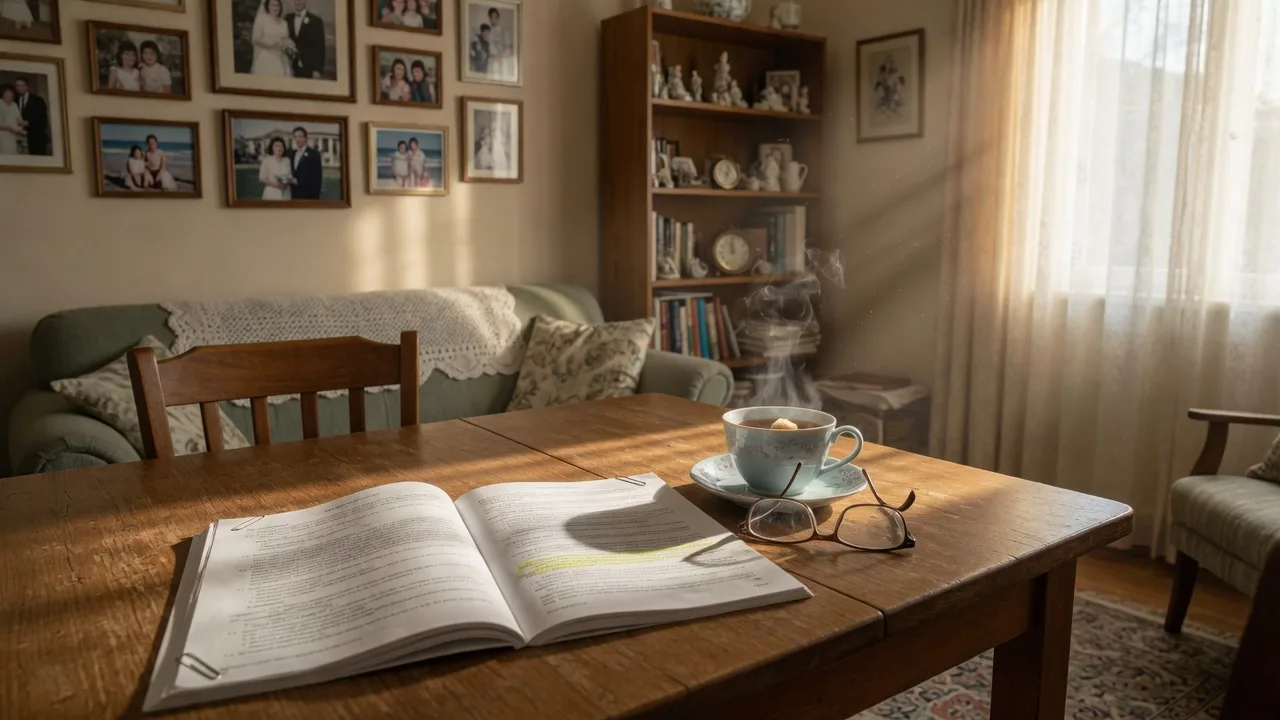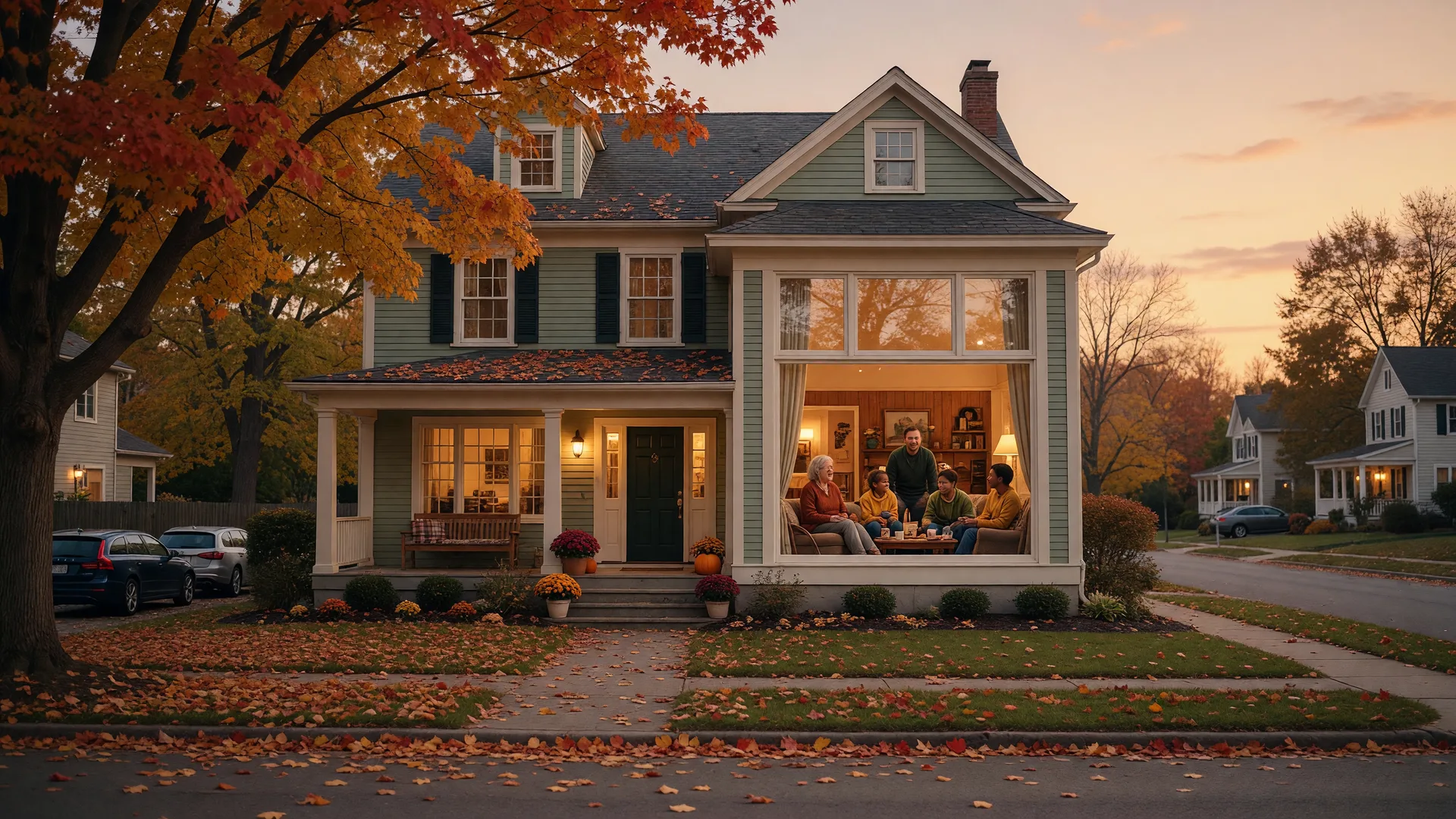
Someone died.
They owned a house.
Who owns it now?
Unfortunately, the answer isn't always:
"The kids."
Or:
"The person named in the will."
Real estate ownership after death depends on how the property was titled, whether a trust exists, whether there's a valid transfer-on-death mechanism, state probate law and the deceased owner's estate plan.
A Will Doesn't Automatically Change the Deed
People sometimes assume that because a will says who receives the house, ownership automatically changes when the owner dies.
Not necessarily.
The will may have to be administered through probate before someone has authority to transfer the property.
Trusts Can Make Administration Easier
One common estate-planning strategy is placing real property into a properly created trust.
When property is actually titled in the trust before death, a successor trustee may be able to administer the property according to the trust terms without the same probate process that might otherwise be required.
The critical part is:
The property actually needs to be transferred into the trust.
Creating a trust document and leaving it in a drawer doesn't automatically change ownership of your house.
The deed matters.
Deeds Upon Death
Some states also authorize transfer-on-death deeds.
Nevada calls this a deed upon death.
A properly created and recorded Nevada deed upon death can transfer the owner's interest to a named beneficiary at death.
But the beneficiary takes the property subject to existing liens, and Nevada law specifically states that its deed-upon-death provisions do not limit Medicaid recovery rights.
That last point is extremely important and leads directly into our next article.
Joint Ownership Matters Too
How the property is vested can dramatically affect what happens at death.
Joint tenancy with survivorship rights, community-property arrangements, trusts and other ownership structures can produce different results.
People sometimes tell us:
"My spouse and I own the house."
Our next question is:
How are you actually vested on title?
Those aren't always the same question.
Don't Wait Until You're Selling
This is where families run into trouble.
A parent dies.
Everyone assumes one child inherited the home.
Years later, the child decides to sell.
Only then does the title work reveal that the property is still vested in the deceased owner's name.
Now the family has a buyer waiting while everyone tries to resolve probate, heirs, deeds or court requirements.
Planning is much easier.
Do This While You're Alive
You don't have to be elderly to think about what happens to your real estate when you die.
Know how your property is titled.
Know what happens to your ownership interest at death.
If you created a trust, make sure the property was actually transferred into it.
If you're relying on a deed upon death, make sure it was properly prepared and recorded.
And review your planning when family circumstances change.
Viking Can Help With the Title Side
Viking Title isn't your estate-planning attorney.
But we can help determine how the property currently appears in the land records.
We can also work with your legal professionals to make sure everyone is working from the correct vesting and legal description.
The question isn't only:
"Who do I want to get my house?"
The better question is:
"What needs to be in place so they can actually receive it?"
Estate, probate, trust and real-property laws vary significantly by state. This article provides general educational information and is not legal, tax or estate-planning advice.