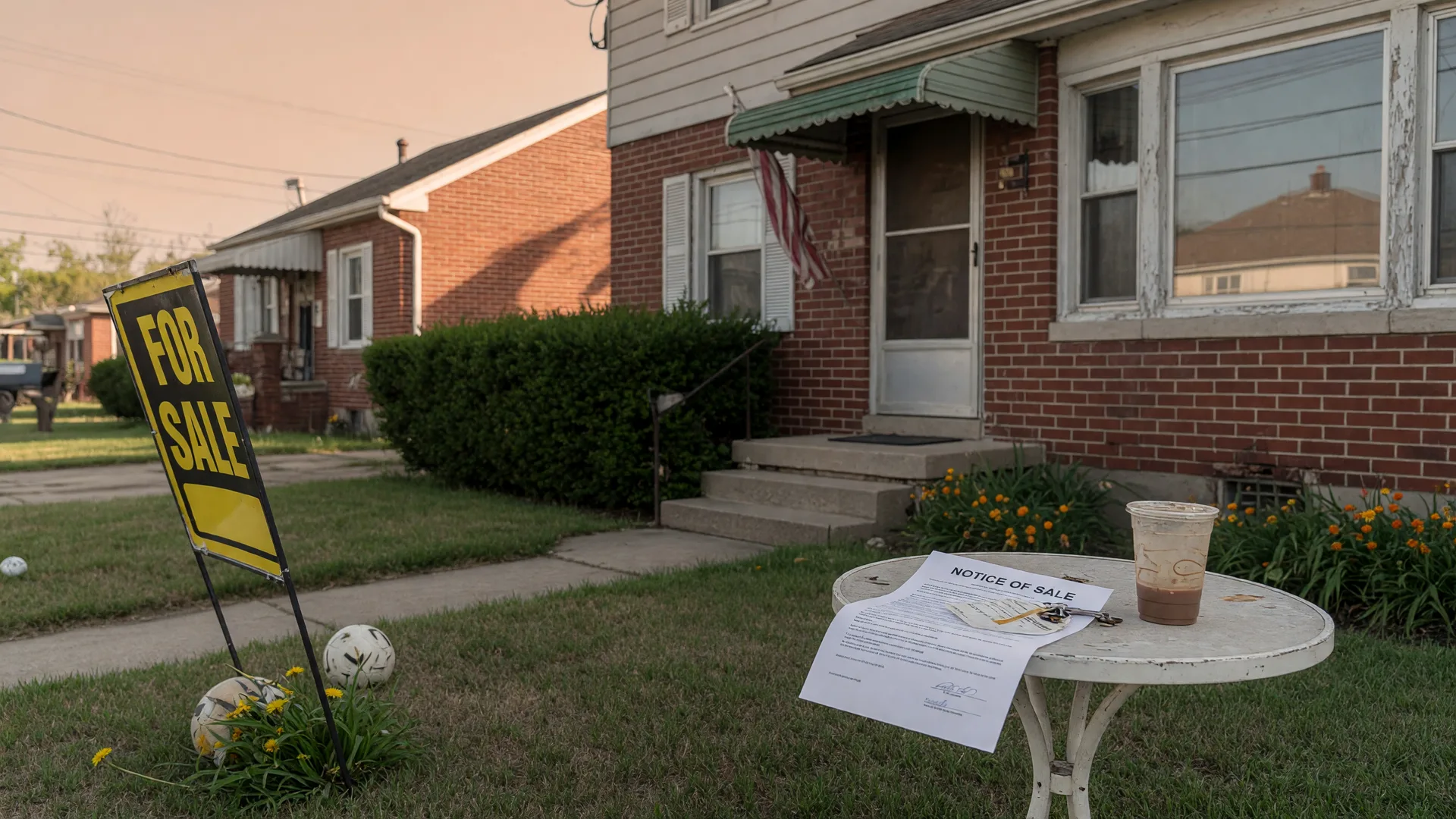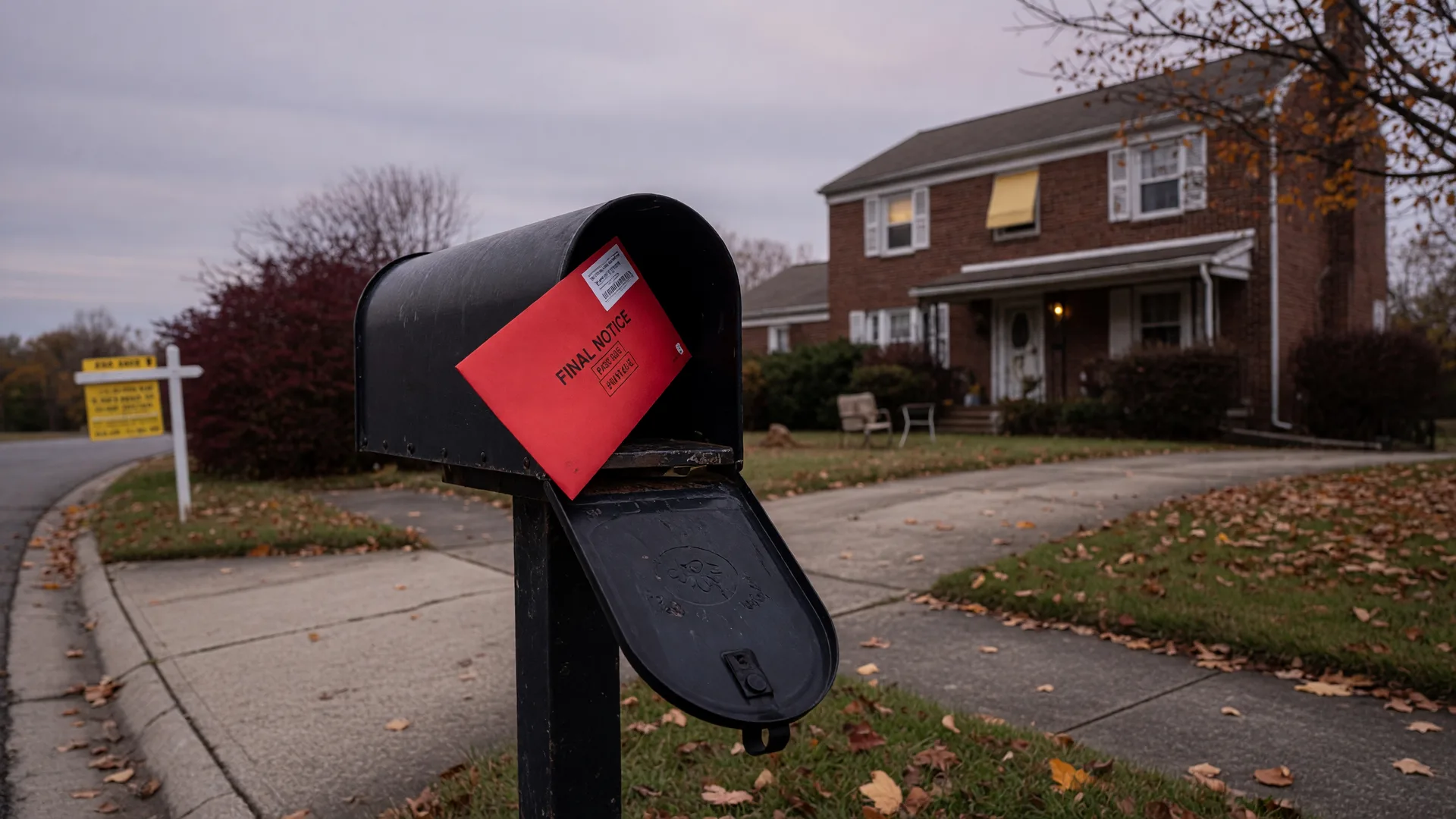
The hardest thing about facing foreclosure is not the missed payments. It is the shame.
People hide. They stop opening the mail. They let the phone ring. They hope the problem will fix itself. It will not. And every week of silence makes the situation worse.
Here is the truth: foreclosure is a process, not a single event. It takes months. And during those months, you have options. Not all of them are perfect. Some require hard tradeoffs. But ignoring the problem is not a strategy.
If you are behind on your mortgage, here is what you need to know and what you can do about it.
Foreclosure Takes Time
In most states, the foreclosure process takes months. After your first missed payment, the lender will typically wait 30 to 90 days before filing a notice of default. After that, there is a period during which you can catch up, sell the property, or negotiate an alternative.
In Nevada, where we are based, the process includes specific timelines and notice requirements that give homeowners room to act. The exact timeline depends on whether the foreclosure is judicial (through the court system) or non-judicial (through a trustee), and that varies by state.
The point is this: you have time. Not unlimited time, but enough time to make a deliberate decision rather than a panicked one.
Option 1: Catch Up Through a Repayment Plan
If your financial hardship was temporary, many lenders will work with you on a repayment plan. You pay your regular monthly mortgage payment plus an additional amount each month until the arrears are caught up.
This option works best when you have recovered from a short-term setback: a medical bill, a temporary job loss, or an unexpected expense. If the hardship is ongoing, a repayment plan may not be realistic.
But you will not know until you ask. And the sooner you ask, the more willing the lender is likely to be.
Option 2: Loan Modification
A loan modification changes the terms of your mortgage to make the payments more affordable. The lender may agree to lower the interest rate, extend the loan term, or even add missed payments to the principal balance.
Loan modifications are not guaranteed. Lenders have guidelines, and not everyone qualifies. But millions of homeowners have successfully modified their loans over the past two decades, and the process is well established.
Again, the key is timing. Lenders are more willing to modify a loan early in the delinquency process than after the foreclosure is well under way.
Option 3: Sell the Property
If you cannot afford the house, the most rational option is often to sell it.
If you have equity, a sale allows you to pay off the mortgage, cover the selling costs, and keep whatever is left. You walk away with cash instead of a foreclosure on your credit report.
If you owe more than the house is worth, a short sale may be an option. In a short sale, the lender agrees to accept less than the full loan balance and releases the mortgage. Short sales have their own challenges, but they are generally less damaging to your credit than a foreclosure.
Selling is not failure. It is a strategic decision. The home is an asset, and sometimes the right move is to exit the asset before it destroys your finances.
Option 4: Deed in Lieu of Foreclosure
In a deed in lieu of foreclosure, you voluntarily transfer the property to the lender instead of going through the foreclosure process. The lender gets the house without the expense and delay of foreclosure. You avoid the public foreclosure process and may receive a more favorable credit outcome.
Lenders will typically only agree to a deed in lieu if you have tried to sell the property first and the sale did not succeed. They want to know that you have exhausted other options before handing over the keys.
This is not an option you should pursue without legal advice. The tax implications alone can be significant.
Option 5: Bankruptcy
Filing for bankruptcy triggers an automatic stay that temporarily stops foreclosure proceedings. This can buy you time, but it is not a solution by itself.
In Chapter 7 bankruptcy, you may be able to discharge other debts and free up income to catch up on mortgage payments. In Chapter 13, you can include the mortgage arrears in a repayment plan and catch up over three to five years.
Bankruptcy has serious long-term consequences for your credit and your financial life. It should be considered only with the advice of a qualified bankruptcy attorney. But for some homeowners, it is the right tool.
Option 6: Do Nothing (The Worst Option)
If you do nothing, the foreclosure proceeds on schedule. You lose the house, your credit is severely damaged, and in many states you may be liable for a deficiency judgment if the sale does not cover the full loan balance.
Doing nothing also means you have no control over the process. The lender picks the timeline. The trustee conducts the sale. You may be evicted on a schedule you did not choose.
Almost any other option is better than doing nothing.
What About Scams?
Foreclosure is a time when predators come out of the woodwork. Be wary of anyone who:
- Asks you to pay an upfront fee for foreclosure help.
- Asks you to sign over your deed or transfer title to them.
- Guarantees they can stop your foreclosure.
- Tells you not to contact your lender or attorney.
Legitimate help is available through HUD-approved housing counselors, and the counseling is often free or low cost. Start there, not with a company that promises a miracle for a fee.
How a Title Company Can Help
You might wonder why a title company is writing about foreclosure options. The reason is that we see the aftermath.
When a property goes through foreclosure, the title gets complicated. Junior lien holders, HOA assessments, tax liens, and judgment creditors all have claims that must be addressed. We help lenders, investors, and homeowners understand what is on the title and how to resolve it.
But we also believe that informed homeowners make better decisions. If you understand the foreclosure process and your options, you are more likely to take action early, while you still have choices.
The Most Important Step
The most important step is the first one: pick up the phone.
Call your lender. Call a HUD-approved housing counselor. Call an attorney who specializes in foreclosure defense. Tell someone what is happening. The silence is what hurts you the most.
Foreclosure is not a moral failure. It is a financial event. And like any financial event, it can be managed, mitigated, and survived. But only if you stop hiding and start acting.
This article provides general educational information and is not legal or financial advice. Foreclosure laws, timelines, and options vary significantly by state. If you are facing foreclosure, consult a qualified attorney or a HUD-approved housing counselor in your state.