You found the house. You made an offer. The seller accepted.
Then the paperwork arrived, and somewhere in it there's a request for your earnest money deposit. Often thousands of dollars, sometimes much more.
Where does that money go? Who holds it? And what happens to it if the deal falls apart?
What Earnest Money Is For
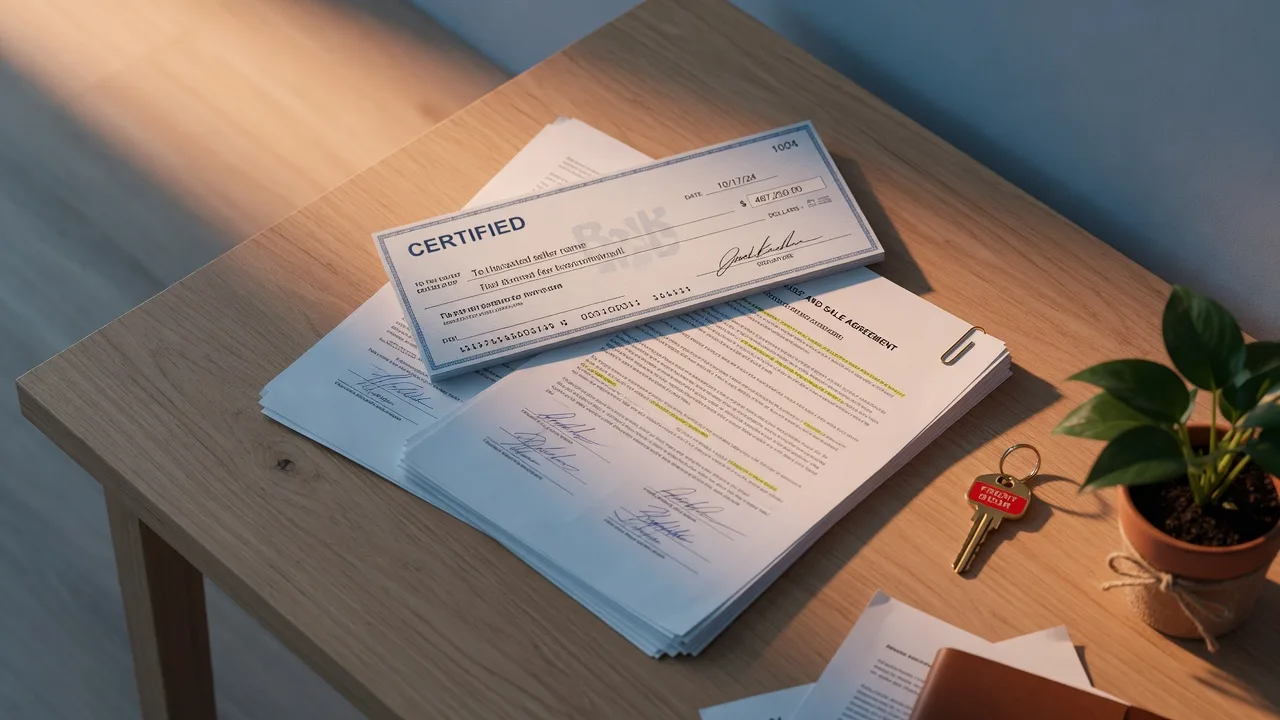
Earnest money is a good-faith deposit. It tells the seller that you're serious about the purchase and that you have real financial commitment behind your offer.
It also gives the seller some protection: if you walk away without a valid reason, the deposit can be at risk under the terms of the contract.
In a competitive market, a meaningful deposit is one of the ways buyers show they're prepared to move forward.
Where It Goes
The critical fact: your earnest money does not go to the seller.
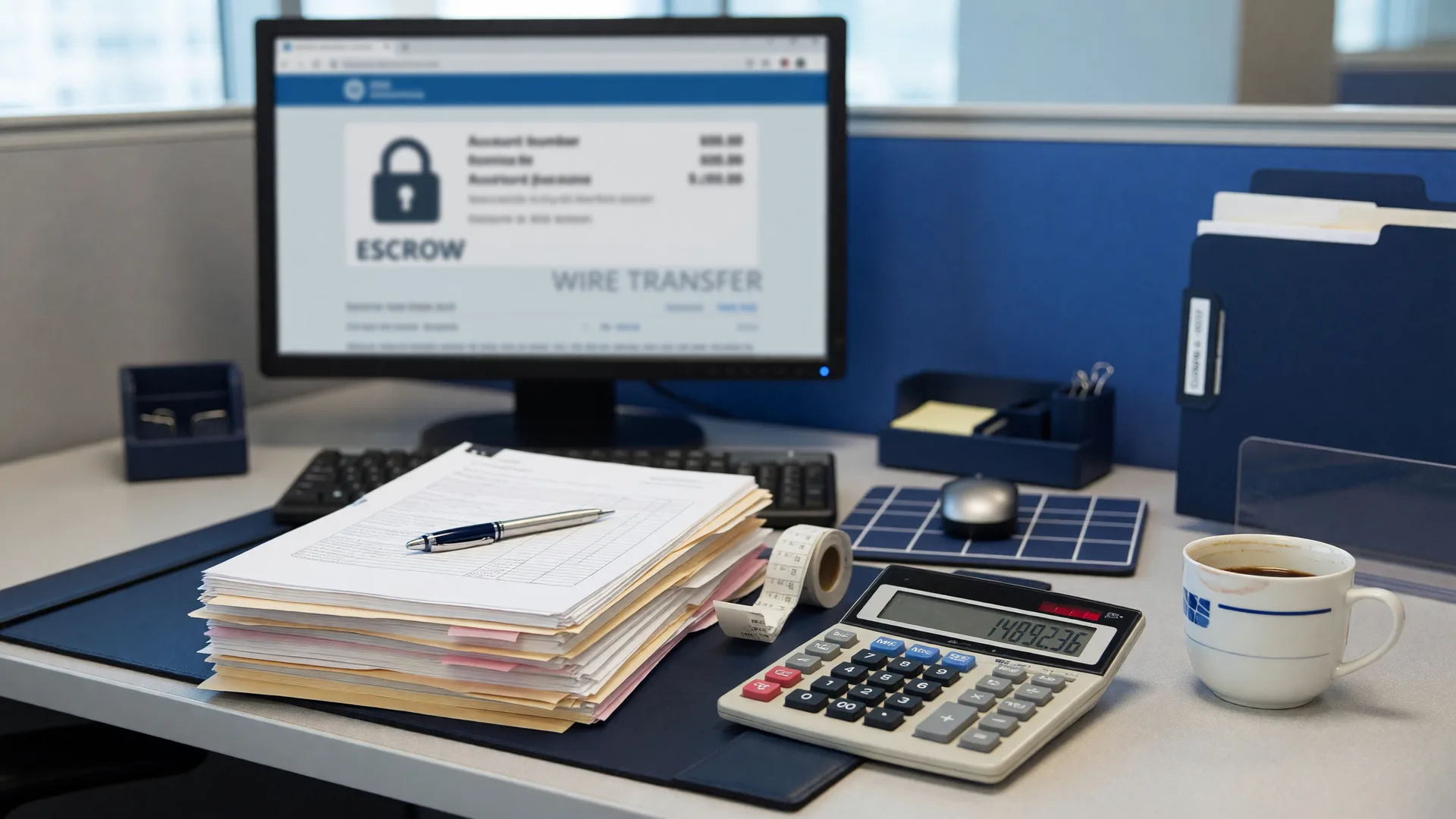
It goes into a dedicated escrow or trust account held by the title company, escrow company, or another neutral party named in the contract. In many transactions, that's the same company that will handle the closing.
The seller never touches it. The listing agent doesn't hold it. Your buyer's agent doesn't hold it.
A neutral third party holds it, and the escrow instructions dictate exactly what can be done with it.
What Happens at Closing
When the transaction closes, your earnest money doesn't disappear. It's applied toward your purchase.
The full amount is credited to you on the closing statement, reducing the cash you need to bring to closing. So the money you deposited early comes back to you in the form of equity in your home.
What Happens If the Deal Falls Through
This is where the contract matters most.
If the transaction falls apart for a reason that's covered by a contingency in the contract, such as a failed inspection, an appraisal shortfall, or a financing problem, the contract usually provides for the return of the earnest money to the buyer.
If the buyer simply changes their mind with no contractual basis, the seller may be entitled to the deposit, or to a portion of it, depending on what the contract says.
Here's what the escrow company does in either case: it follows the contract and the escrow instructions. It doesn't decide who "deserves" the money.
What If There's a Dispute?
Sometimes the buyer and seller both believe they're entitled to the deposit.
In that situation, the escrow company doesn't release the funds to either side. The money stays in escrow until the parties resolve the disagreement, which often happens through a mutual release, mediation, arbitration, or a court order.
That neutrality is exactly why the money is held by a third party in the first place. Neither side gets to grab it.
How to Protect Your Earnest Money
A few practical things to remember:
- Read the contract terms about deposits and contingencies before you sign, not after.
- Make sure the deposit goes to the named escrow or title company, never directly to the seller or an agent.
- Ask for written confirmation that your deposit was received and deposited into the escrow account.
- If you wire the deposit, verify the wiring instructions by phone using a number you know is correct. Scammers love this exact moment in a transaction.
- Keep copies of everything: the deposit receipt, the wire confirmation, and the relevant contract pages.
The Bottom Line
Your earnest money is safe when it's held in a properly managed escrow account by a licensed title or escrow company.
It's applied to your purchase at closing, returned to you when the contract allows, or held until a dispute is resolved. It never just sits in someone's pocket.
If you're ever unsure where your deposit is, ask. A reputable escrow officer can tell you exactly what account holds your funds and what happens next.
This article provides general educational information and is not legal or financial advice. Deposit handling and disputed-funds procedures vary by state and contract. Review your purchase agreement and consult your agent, escrow officer, or attorney with questions about your specific transaction.